China’s New Five- Year Plan Approved: Africa Anticipates Opportunities and Strategic Benefits

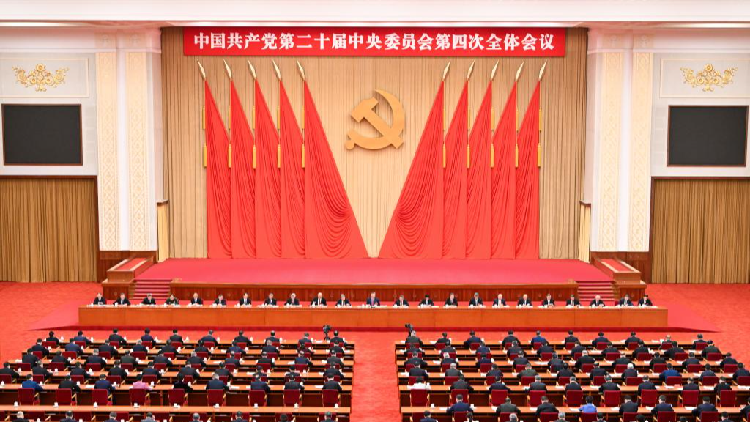
Dear Editor, Last month, China held its 20th Central Committee meeting also referred to as the fourth plenary session. It was in Beijing from October 20th to 23rd, 2025. This vital political meeting has been the defining road for China since 1953 and has set the direction in social and economic development for the last 7 decades as well as global strategy at a 5-year basis.

The meeting was attended by 168 full members and 147 alternate members from various disciplines. The members ranged from ministry heads, scholars and grassroots representatives. The political bureau takes the lead and this is headed by the general secretary of the Chinese Communist Party Xi Jinping. He delivered the report that is supposed to steer China for the next five years. The report Was discussed and it’s recommendation approved as the country’s blue print for 2026-2030. The adopted plan also acts as Beijing’s vision for the decade ending in 2035 when socialist modernization should be realized.

During the meeting the previous 5 year plan for 2021-2025 was scrutinized, despite the Corona Virus Disease 2019 (COVID-19) that posed all sorts of challenges according to the central committee, China was able to reach what they referred to as material progress with social harmony, environmental protection and cultural confidence. In the past five years, China realized it is entering a new modernization phase. China now believes they are no longer in the foundation stage but seek to accelerate modernization.

In his address to the session President Xi Jinping outlined the complexities of the global political and economic outlook. Therefore there is a need for a continued strong industrial foundation, having a massive domestic market, an internal complete supply chain, rich and reach human resource and long term planning based on a unique socialist system.

In the discussions that followed according to the final communique of the plenum it was established that China’s trajectory is indeed strong and ready to take on strong economic winds and rough waves especially in the international arena. The adapted to move on the principal of stability with progress. The plenum stressed that economic growth should be along side innovation, green transition and human development beyond GDP numbers. There is going to be a focus on quality growth that matches the  quantative growth. This aspect is one all growing economies should put in the spotlight, economies tend to grow bigger but not better. For China the aspect of better is about quality of livelihoods for individuals.

In the next five years China is going to embark on a series of comprehensive reforms across sectors to make sure it  gains technological independence, expand domestic demand as it seeks to move away from supply side and most importantly national security and social stability. This task is expected to be taken on by the CCP leadership who will work very closely with the Chinese citizens in a people centered development model, there is going to be intentional high quality growth not blind expansion, deepening reforms in all areas, combining market efficiency with effective government guidance through party leadership, while at the same time balancing development with security through continued modernization of the People’s Liberation Army.

The markers for 2030 for China are going to be scientific innovation, quality growth for ordinary citizens, according to the communique there should be breakthrough reforms across sectors something that sounds very interesting, upgrade in social civilization alongside cultural confidence that will shape China’s soft power going into the next decade. Major achievements in green and sustainable development, already a third of China’s electricity is from renewable technology.

The 2026-2030 plan for China seeks to propel the country through the economy, defense and technology to pragmatic global influence by 2035. As a central planning measure China will not abandon its place as leaders in manufacturing but will instead aggressively pursue industrial modernization while protecting the environment. The plenum also stressed that China will not sit back on the technology front but will seek to be at the forefront on cutting edge in AI, aerospace, quantum computing and green technologies in the bid for self reliance.

Through the meeting Beijing made it clear that they will not close their doors to the world, instead they will pursue a high level opening up strategy, they made it clear they will take part in global cooperation as they promote win-win outcomes. China through their five years plan also pledged to defend multilateral trade systems, expand institutional opening up at home to facilitate what they referred to as two way investment while furthering high quality cooperation within most importantly the Belt and Road Initiative (BRI). China is going to be very intentional about sharing their modernization outcomes but they will be pragmatic about it that it will have to be at their terms.

China’s next five year plan is clear about moving their economy from a supply side to a demand driven one, China in 2025 fully opened up their economy to African exports at duty free access, this is an opportunity for the continent to play into the great plan, as they seek to move their GDP per Capital to $ 25,000 in their bid to reach moderate rich economy status.

It’s wise that Africa moves closer to China when it comes to research especially in areas that will spark industrial modernization with vast untapped resources under the continents soils. African countries have long term development plans with the African Union leading with its 2063 agenda but it’s important they break them down to into shorter term 5 year plans like China has done for 70 years to reach where they are, maybe then we shall truly know how effective these five year plans are.

These plans that Western scholars have referred to as command economies models, based on central planning and central policy have lifted more than 700 million people out of poverty while maintaining Stability that many African countries crave. If the global South, Africa in particular treated planning with China’s discipline, they will be able to write their own story for modernization by 2050.

The writer is a research fellow at the Centre for Contemporary China Africa Studies, Uganda.
The Global Governance Initiative (GGI): An Oasis in the Global Political Desert

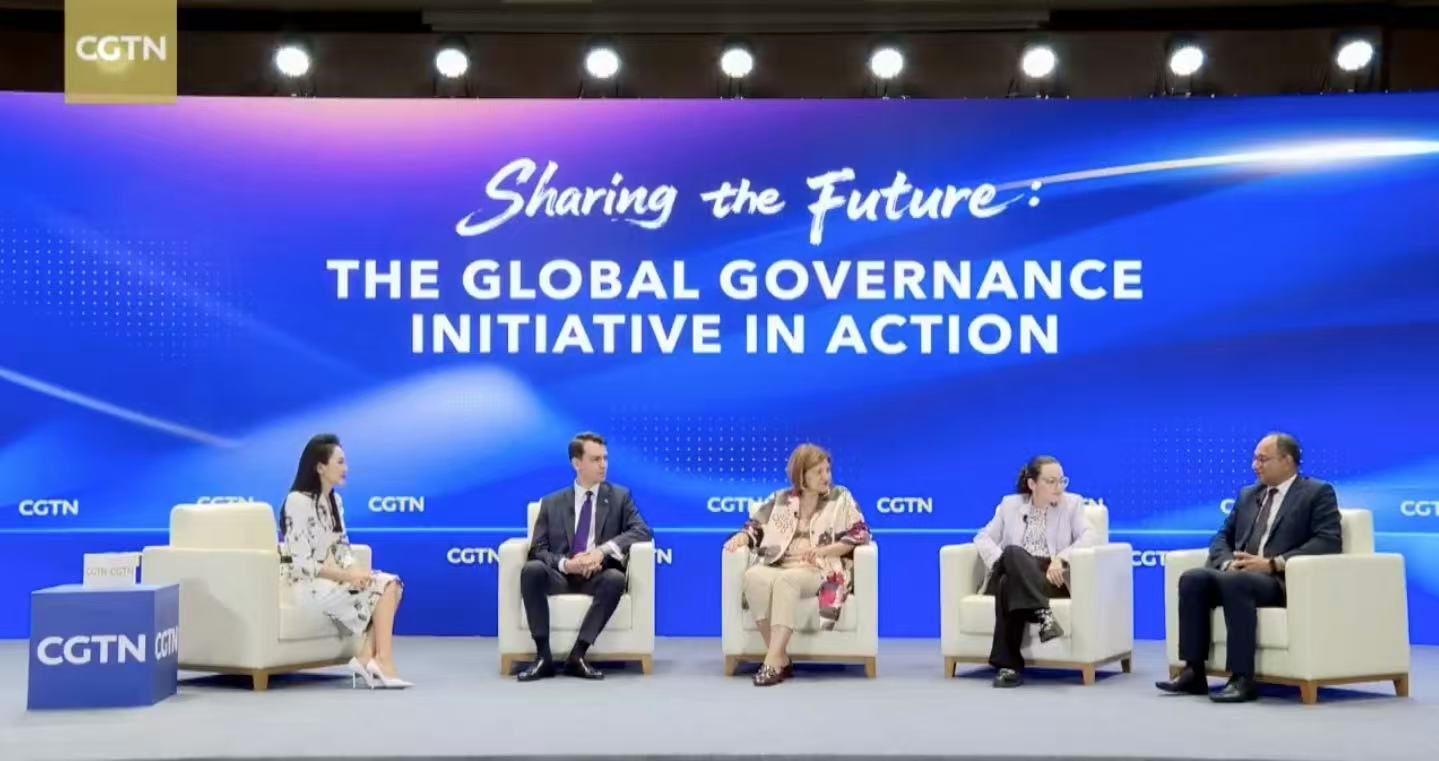
As wars rage in Europe and the Middle East, and as global institutions crack under increased pressure and scrutiny, the global political order is withering into a desert, barren of trust, fairness and new ideas. In this dry landscape, China’s GGI has emerged, an oasis of reform and rejuvenation that may yet save the global order.

Announced by President Xi Jinping last month, during the Shanghai Cooperation Organization Summit (SCO) in Tianjin, the GGI stands as the fourth pillar in China’s reconstruction of an international system in disarray following the Development, Security and Civilization initiatives. The timing is very symbolic; GGI debuted alongside the 80th UN anniversary, when concerns about fairness, reform and global governance are at the forefront of global discourse.

At its core, GGI advocates for a world that is just, fair, inclusive and serious about delivering results. For decades, the Global South has begged for inclusion at the so called ‘big boys table’ that is largely dominated by Western countries. Reforming the Bretton Woods institutions, the United Nations and its Security Council is a key goal for the Global South. This push for reform is a valid and logical initiative especially when it comes to institutions and systems that preach democracy whilst being undemocratic themselves. Strong countries with veto power heavily influence the UN’s decision-making. China’s proposals suggest a paradigm shift and are not radical reforms such as those the IMF imposes on developing countries. It is only fair that the majority are key stakeholders in the decisions of the largest multilateral body. The GGI says no to the tyranny of the minority and powerful.

The GGI stands firmly on the principles of rule of law and a people-centered approach to global governance. An increasing number of experts criticize the hypocrisy that has eaten at the heart of the so-called ‘international rules based order.’  The Global South has rejected the ‘rules for thee and not for me’ approach to international relations. GGI calls for the equal and uniform application of these rules, no country is above the law. As long as favoritism and gangsterism remain features of the rules based order, the rest of the world will inevitably lose faith in the system and seek alternatives. Furthermore, through GGI, China emphasizes the importance of addressing people’s needs and solving their challenges as a cornerstone of a reformed system. The people are the foundation of all institutions and making their lives more prosperous, simpler should be a key focus. Human rights, justice, poverty alleviation and climate relief are key components of a happy global citizenry.

GGI proposes a system committed to real results and rejects unilateralism. In the spirit of mutual benefit and a shared future for all, China envisions a world that collectively addresses global challenges such as climate change, war, famine and pandemics. Isolationism encourages unilateralism and is largely pushed by those seeking to build walls instead of bridges. It becomes detrimental when countries treat the world’s problems as if they were not their own, often pushed by the false belief that the world cannot be saved. While it is important, and even admirable for countries to put the needs of their domestic populations first, this should not in anyway mean that global challenges take the backseat. The Covid-19 pandemic demonstrated that some disasters recognize neither borders nor races.

Critics argue that GGI just like GSI, GDI and GCI is a mere tool for China to expand its influence over the Global South and challenge the West, that its largely aspirational with no concrete implementation plan, or that it seeks to fragment global systems. However, the facts tell a different story; China is already influential, the largest economy by purchasing power parity (PPP), second largest by GDP with a huge population and a modern military. It maintains consistent and predictable diplomatic and trade relations with most of the world.

Additionally, China’s initiatives are founded on the principle of reaching across the aisle. They seek to involve the West in the reform process and recognize the importance of collective efforts. It is intellectual dishonesty to argue that competition implies adversary. China competes with the West; it does not challenge the West. Those that feel challenged simply refuse to compete and demand subservience.

Moreover, the Global South has materially benefited from initiatives pushed by China such as BRI, and FOCAC. China seeks a fairer system that listens to the voices of the developing world, something long overdue. Even though the GGI may be largely aspirational, it will evolve. These initiatives often seek consultation over prescription.

China does not claim to have all the answers but has put forward a conceptual framework where the rest of the world can debate and forge a way forward. Above all, China is not seeking to fragment the global system; instead, it calls for reform within the system, not outside of it. If an alternative system ever emerges, it will stem from a firmly rooted, collective recognition that the current global governance system is incorrigible.

The Writer is a Senior Research Fellow at the DWC


Seventy six years on, the Chinese project teaches us dynamism

According to U.S. Bank, China’s overall exports have increased in recent months despite Trump’s hostility towards the Asian superpower upon re-ascending to the presidency. This was only possible because of Beijing’s decision to reduce its dependence on Washington when the first tariffs were slapped against it back in 2018. The shift in policy represents a consistence in reimagining circumstances that is now part of the DNA of the Communist Party of China (CPC). Unfortunately, rigidity appears to be the constant in majority of countries there warranting some reflections on the CPC’s journey thus far on this historical day.

True in Beijing as elsewhere, every intending leader worth his salt has a set of principles on which they rally their base; non-violence and self-rule for Gandhi in India, Leninism for Lenin in Soviet Russia, African nationalism for Mandela in South Africa, etc. Having lived in an era during which his country was engulfed in a bitter battle over its soul for close to forty years, high on Mao Zedong’s agenda was stability. Corruption was another given Chiang Kai-shek’s patronage. The trajectory of things for the Chinese Red Army therefore, only began to differ from the common pattern in nation building post-1949.

The first mistake that revolutionaries commit is failing to realize that being the face of a movement that is seeking power is quite different from assuming authority yourself. When Nelson Mandela became President for example, his real challenge shifted from discrimination itself to redress of the damage it caused almost overnight. He could not therefore, continue to operate as he did during his activist days. In China, once the communists effectively took hold of all command, they had to switch gears to.

Importantly, things were never straight in these early days, and they have continued not be in several of the modern endeavours that the world’s second largest economy has embarked on. Deng Xiaoping’s pragmatism best captured by the popular statement “it doesn’t matter if a cat is black or white, as long as it catches mice”, was born of the difficulties that citizens endured following the 1958–1962 reforms. The marker that has seen China transform itself from impoverishment to becoming a first world country hence, lies less in the leadership getting it right all the time but a willingness to correct for errors whenever they appear.

This mentality is difficult for politicians of the world to replicate because it carries within it an admission of making mistakes something which though very human, has come to be associated with incompetence. But as the communist party has persisted with experimentation, the results in the aftermath have been difficult to argue against showing that the predominant narrative could not be further from the truth. Mainly, this owes to the fact that trial-and-error fosters a growth of ideas best optimized for the prevailing social-political atmosphere by throwing out those that they outperformed.

Taking one day at a time also cultivates ground for the emergence of an open-minded set of leaders i.e. those willing to commit to adjusting the status quo in the wake of new conditions to harness. In involving himself and colleagues in lengthy exchanges with among others, President Bill Clinton resulting in which Jiang Zemin agreed to a drastic recalibration of the party’s domestic economic model so as to join the World Trade Organization, the General Secretary at the time was embodying this very spirit back in early 2000s. Had he not, as other Presidents have been known to, China would have missed out on the unprecedented expansion that it has experienced subsequently.

China’s case study has equally shown that when failing to attain set objectives is disentangled from ill-intent (unless of course, one has good evidence to believe otherwise), another go at the same idea can produce spectacular returns. Going back to Mao’s second five-year plan, we can see that despite its unfortunate outcomes, the overall goal of industrialization was not the issue but rather the mechanisation. And admitting this aided those that came after him to devise better ways around the question.

States should as such, not be seen as non-static objects with futures cast in stone but rather targets moving at every opportunity they get. By embracing this uncertainty, societies will give their leaders more room to breathe and they will in return build systems that better anticipate the problems of their times and accordingly devise matching solutions.

The writer is a research fellow at the Development Watch Centre.


FOCAC and TICAD: The Competition for African Partnership

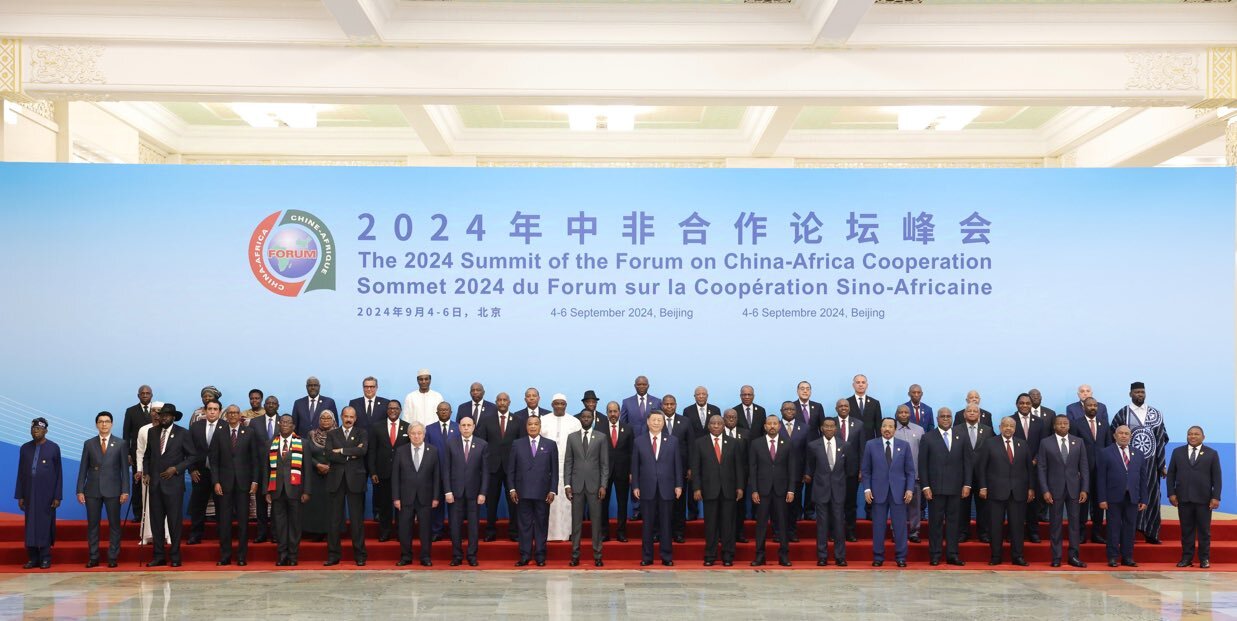
As economic stagnation and major country rivalries for economic and political partners continue to shape global politics, the focus is increasingly shifting to Africa. It is one continent that now occupies a strategic position due to its large natural resource reserves and its great potential as a continent with the world’s youngest population and nascent industries. Unlike most continents, Africa has room for growth and transformation. It is therefore not surprising that the Far Eastern countries of China and Japan have uniquely shown a deeper interest in Africa, each organising summits for African leaders at the Forum on China-Africa Cooperation (FOCAC) and the Tokyo International Conference on African Development (TICAD), respectively. On one hand, China’s expansive approach in its relations with Africa focuses on state-orchestrated financial commitments while also pursuing ideological alignment through its global initiatives. For Japan, the focus is on innovative, private-sector-driven engagement with a focus on building multilateral resilience.

This article focuses on the Ninth FOCAC Summit, which was held in September 2024 in Beijing and the Ninth TICAD Summit, held in August 2025 in Yokohama, Japan. We shall compare the number of African presidents in attendance at each summit, analyse the significance of the issues discussed in plenary sessions, while also weighing the promises made by China and Japan to African countries in pursuance of their development goals as articulated in Agenda 2063 and the SDGs.

China’s FOCAC seems to always draw more numbers of African leaders, although both FOCAC and TICAD summits are strategically organised to alternate between African countries and China or Japan every three years. Having the two summit diversifies opportunities for African leaders to complement the benefits earned from both countries.

We can have a picture of the significance of FOCAC and TICAD based on the turnout they registered of African heads of state. In 2024, more than 38 African presidents attended the FOCAC summit in China. All African countries were represented at least by a Vice President, Prime Minister or Foreign Minister, except Eswatini, the only country without diplomatic relations with the People’s Republic of China. Among those in attendance were South Africa’s Cyril Ramaphosa, Nigeria’s Tinubu, Kenya’s Ruto, Tanzania’s Samia Suluhu Hassan, Zimbabwe’s Emmerson Mnangagwa, Senegal’s Bassirou Diomaye Faye, Togo’s Faure Gnassingbé, Mali’s Assimi Goïta, Sudan’s Abdel Fattah al-Burhan, Comoros’ Azali Assoumani, Djibouti’s Ismaïl Omar Guelleh, and Madagascar’s Andry Rajoelina. Others included leaders of; Mali, Sudan, Burkina Faso, Guinea, and Niger. In attendance was also Moussa Faki Mahamat, the chairperson of the African Union Commission. It is easy to observe China’s vitality as Africa’s development partner, given the pull and success that the last FOCAC summit had. At the end of the summit, over 100 agreements were signed, in comparison with 64 cooperation documents signed at TICAD 9.

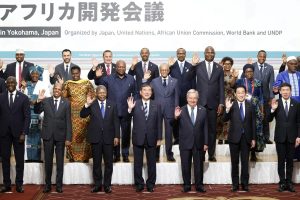
By comparison, at least 13 African presidents, 15 prime ministers, and three vice presidents attended the ninth edition of TICAD in Yokohama, Japan.

The TICAD 9 Summit featured vibrant discussions on a wide range of development themes concerning Africa. The summit was segmented into various sessions to discuss pertinent issues. There were discussions about Africa’s urban awakening and catalysing economic growth and jobs. The conference examined challenges and the potential of urbanisation in Africa. The panellists shared insights from the latest World Bank reports and cases from Japanese cities, and explored how to leverage urbanisation to expand economic opportunities and improve employment outcomes. It should be noted that the World Bank was a co-organiser and, therefore, was actively involved in shaping and implementing the core themes of the conference.

The ninth TICAD summit also brought together venture capital firms, Japanese public-sector partners, and a multilateral development bank to discuss how best to support startups and venture enterprises from Africa and Japan that contribute to addressing social development challenges in Africa. It also delved into how the global aid architecture impacts development outcomes in Africa, and discussions were held on practical recommendations to reform aid systems for maximum SDG impact.

In general, TICAD 9 reflected Japan’s shift from an aid giver/ donor to a trade partner that prioritises the private sector. This shift, if it gets implemented well, will certainly be more transformative for African countries as compared to donations/ aid.

At the 2024 FOCAC, China pledged $50 billion in financial support to Africa over the next three years. In contrast, Japan pledged to contribute up to a maximum of $5.5 billion for the next four years under the Expansion of the Enhanced Private Sector Assistance for Africa (EPSA). Japan also promised to mobilise $1.5 billion in impact investments through the Japan International Cooperation Agency (JICA) to foster private sector development in Africa.

At FOCAC, China highlighted some of the contributions it has already made. It has built over 10,000 km of rail and 100,000 km of roads. Over 100 clean energy projects have been funded under FOCAC, and 50% of public funding for Africa’s clean energy sector is funded by China. China has also been Africa’s number one trading partner for the past 15 years. 70% of Africa’s 4G Network was built by China, etc.

In conclusion, whereas TICAD has a longer history compared to FOCAC, over time, African leaders and their nations have tended to shift increasingly towards China in their bilateral relations, as shown by the number of cooperation agreements signed at each of the respective summits. It should be remembered that TICAD was established in 1993 with a goal to refocus international attention on African development amid the post-Cold War aid fatigue. The inaugural FOCAC summit was in 2000, and it was proposed by African diplomats in the late 1990s in response to growing bilateral ties between the two entities.

The writer is a senior research fellow at the Development Watch Centre.

The Modern Thucydides Trap: How China’s Rise Challenges American Hegemony

The American political scientist, Graham Allison, popularised the concept famously known as the “Thucydides Trap.” This concept suggests that whenever a rising power threatens to displace an established one, the tension often guarantees a conflict will arise (war), unless deliberate efforts are made to avoid it. The concept borrows its name from Thucydides (c. 460-400 BC), who was an Athenian general, politician and historian who lived through the ferocious Peloponnesian War (431-404 BC) between Athens and Sparta, which, the philosopher Will Durant quips, “Thucydides took part in…and recorded it blow by blow.”

Graham Allison has applied the Thucydides framework to the great-power politics of the 21st Century between China and the United States. He views China as a rapidly ascending power that threatens to displace the United States, which, since 1991, has enjoyed unipolarity following the collapse of the Soviet Union.

Due to China’s rapid rise as a powerful contender in world affairs, there is structural stress it is exerting towards the ruling power, i.e., the United States. This stress could build fear and amplify the risk of miscalculation among America’s foreign policy elite, hence increasing the risk of war. China has made significant advancements in various fields of global dominance. It has modernised its military, most recently unveiling a sixth-generation stealth fighter jet, the Chengdu J-36. Since 2014, it has had the world’s biggest economy in PPP, and it continues to grow by leaps and bounds. It has also expanded its global influence, especially in the global south through the BRICS and BRI structures. China is also leading in the world’s most decisive technologies of the future, including robotics, Artificial Intelligence, clean energy, 5G technology, etc.

Whereas America still reigns supreme in maintaining a military reach unparalleled in history, with its cultural influence stamped on the fabric of almost all societies in the world, and having control over global financial systems through its Bretton Woods institutions, China’s rise still presents a serious challenge to its post-World War II primacy.

Whenever such scenarios arise, argues Allison, having studied 16 out of 20 historical cases, accounting for an 80% occurrence rate in the past 500 years, the likely outcome is always a military conflict, unless there are factors that intervene in the rival groups’ diplomatic camps to solve the crisis.

However, across historical time, new variables have emerged in the 21st century, which may change the context in which we understand the Thucydides trap. Unlike any previous period in history, today’s big powers are armed with nuclear arsenals, are highly interdependent on each other economically, and are closely connected digitally, which, fortunately, might make the possibility of a catastrophic all-out war less likely, as it is less rational.

Also, today, unlike yesterday, the possible outcomes of the Thucydides trap are hinged on non-traditional domains, i.e., cyber warfare, ideological competition, etc. Nevertheless, the flashpoints of rivalry between China and the U.S. are apparent in Taiwan, the South China Sea, on trade disputes, etc.

In our time, the Thucydides trap could manifest as a “digital trap.” This is because the great competition of our world is now shaped by technological supremacy, whereby nations seek to dominate each other in Artificial Intelligence, quantum computing, robotics, and other cyber capabilities. Mutual fear between China and the U.S. of losing an edge over the other in the areas mentioned above could instigate “war by other means” through sabotage, espionage, cyber-attacks, etc, which unfortunately might escalate into broader conflicts. If the ruling elites in the two major powers are smart, they could instead encourage joint ventures and mutual dependency to deter aggression. This is possible, as it has been done in regards to the International Space Station, where astronauts from Russia, China, the USA, and other countries mutually work together.

Environmental pressures due to climate change could also catalyse a new dimension of the Thucydides trap in our time. Natural disasters and resource scarcity could intensify China and America’s competition for resources like arable land and rare earth minerals, which are critical for building green technology. On the flip side, since climate change is a global crisis which no nation could single-handedly solve, the two countries could turn this vulnerability into an area of cooperation on global climate initiatives, which would turn the trap into a web of opportunities for collaboration.

However, the structural inevitability of competition does not make war a predetermined outcome. The two countries’ competition can be translated into collaboration, since they are both highly interdependent. China holds over $1 trillion in U.S. debt. America also heavily depends on Chinese industries for manufacturing its products, while at the same time having China as its biggest export market.

In the heat of the Cold War, after the Cuban Missile Crisis, when the Soviet Union and America came close to a nuclear war, they established a direct phone line between the Kremlin and the White House for leaders of both countries to be able to constantly communicate to avoid any scenarios. This might be the time to do the same for U.S.–China relations. Both countries must prioritise regular high-level dialogue to avoid the Thucydides trap. This is in the interest of the entirety of human civilisation.

The writer is a senior research fellow at the Development Watch Centre.

Sino-Uganda Mbale Industrial Park: Revolutionising Uganda’s Manufacturing Sector

Chinese investments have played an inextricable role in Uganda’s emergence as one of East and Central Africa’s major manufacturing hubs. The dividends from the industriousness of Ugandan industries have transformed not just Uganda but also several other countries whose consumer markets depend on Ugandan-manufactured goods, including the DRC and South Sudan, to mention a few. Uganda’s industrial capacity spans several sectors, from electronics to textiles, ceramics to steel, and more – all fuelled by factories and industrial parks set up with the support of Chinese capital and expertise. Not only have these industries created jobs, especially for Uganda’s bulging youth demographic, but they have also reduced the country’s import dependency and fostered economic growth. The country now boasts over 50,000 factories employing more than 1.4 million Ugandans, with tens of thousands of workers in Chinese-founded industries, such as Liao Shen and the Sino-Uganda Mbale industrial park.

Uganda’s manufacturing revolution is closely linked to the launch of the Belt and Road Initiative (BRI) by President Xi Jinping in 2013, because BRI is aligned towards enhancing global trade and infrastructure. What spells BRI in Uganda is practically the sprouting of hundreds of standalone factories and many industrial parks spread across different regions of the country. The success harvested from this has been the expansion of the contribution of the manufacturing sector to our GDP from 6.7% in 2000 to 16.5% by 2024, as per UBOS. The broader industrial sector contributes even more, 27.4%. About 40,000 Ugandans are directly employed in diverse Chinese enterprises, playing an instrumental role in the country’s economic growth.

ENGO Holdings Limited and SIMI Technologies were the first electronics manufacturing plants in Uganda, launched in 2019 in Namanve Industrial Park. The firms behind this factory are ENGO Holdings Limited and SIMI, both spearheaded by Chinese investors. Among the products produced there include mobile phones (feature phones and smartphones), laptops, tablets, chargers, USB cables, earphones, etc. These plants can manufacture about 2,000 feature phones, 1,500 smartphones, and 800 laptops daily, among other products. Although currently these plants have to import some Chinese components, the long-term goal is to have full-scale commercial production employing trained local workers. With time, Uganda shall drastically reduce its reliance on imported electronics by producing enough to meet local demands, including the production of a million computers annually.

One of the leading factories manufacturing plastic products and packaging materials for beverages, processed goods, medicines, oils and pesticides is Heng Shang Plastics (Bugolobi, Kampala). Previously, many of these goods were obtained from China. However, today we have import substitution and reliable local supply chains because the factory is local.

Employment that transforms lives

Over 500 workers are employed in Unisteel Investment Uganda Limited, a Chinese-backed steel production industry established with a $100 million investment in 2024. For a developing country like Uganda, steel plays a critical role as the cornerstone of industry and construction sectors. From its use in manufacturing machinery to providing structural frameworks for infrastructure, it is easy to see the significance of Unisteel’s investment.

Sino-Uganda Mbale Industrial Park is the first national industrial park constructed overseas by Hebei province with the approval of the local government, which is of great significance to the BRI. Hosting over 40 companies producing smartphones, televisions, textiles, and steel, and employing around 10,000 workers daily, the park is one of 22 state-level industrial parks in Uganda, which were proposed by President Museveni and China’s Foreign Minister Wang Yi, and constructed by the Tian Tang Group. Mbale City was a very strategic location for this industrial park. It is Uganda’s third largest city, home to millions of people who provide labour and markets, and is also an extremely important border city. Its location also has the advantages of a well-developed transport network and complete infrastructure. Goods from the factories here can be distributed easily to countries of East Africa, North and South Africa, the Middle East and West Asia.

Economic Contributions

Guangzhou Dongsong Energy Company (Uganda) Ltd. is a subsidiary of the Guangzhou Dongsong Energy Group, headquartered in China. The company sits on 1,600 acres of land that is part of the China-Uganda Free Zone at Sukulu. It started operation in October 2018 following a US$62million investment in a bio-organic fertiliser plant, a steel and glass manufacturing plant, a brick baking plant, a steel plant and other related agricultural products. The Guangzhou Dongsong Energy Company (Uganda) Ltd has a 21-year mining lease extendable for 15 years to develop the Uganda-China Free Zone at Sukulu Hills into an industrial complex. Currently, the Chinese-based company is the first to introduce purely organic fertilisers on the Ugandan market, with production standing at over 300,000 metric tonnes per annum. It also produces Sukulu Concrete blocks for construction, with plans to add Sukulu Metal and Sukulu Glass. The company hopes to reduce the Uganda’s expenditure on imports of the industrial sector, which stands at US$377million, US$60 million for fertiliser and US$23 million for glass annually, respectively.

There has been a significant contribution of Chinese investors to the development of Uganda’s industrial capacity. Capital from China has laid a solid foundation for the country to become a manufacturing hub in East and Central Africa. The road to industrialisation and economic self-reliance is now paved. It is up to us to start the journey.

The writer is a senior research fellow at the Development Watch Centre.


Education is a Corner Stone of China’s Investment to Uganda

“In order to further strengthen the mutual understanding and friendship between the peoples of China and Uganda, and to further enrich the contents of the Comprehensive Strategic Cooperative Partnership between China and Uganda, the Chinese Embassy in Uganda welcomes citizens of Uganda to apply for the 2025/26 Chinese Government Scholarship.” This statement appeared in a call issued on the Chinese Embassy website in October 2024 and last Friday, the institution fulfilled her word as Ambassador Zhang Lizhong flagged off the successful thirty nine students that will now go on to study at different Universities in China.

These scholarships are an annual programme courtesy of the China Scholarship Council targeted at students who hail from countries other than China (of which Uganda is among) wishing to study at any of the two hundred seventy partner universities. Attaining this opportunity is very prestigious as it comes with a coverage of all tuition, a monthly stipend, plus plane tickets to China as well as for the return journey upon completion of one’s degree. This window is open for those interested in Bachelors, Masters, and Doctorate of Philosophy studies.

The arrangement is part of a long standing tradition of the People’s Republic of China (PRC) investing in education in Uganda that goes as far back as the 80s. A related contemporary example is the Chinese Embassy Scholarship Project at Makerere University (Mak) that has been awarding checks of UGX. 2,800,000 a semester to learners from across several departments since the 2018/2019 academic year.

Moreover, the Chinese business community in the country has heavily invested in education of Ugandans too. As recent as May this year, the China National Offshore Oil Corporation awarded scholarships to three hundred students in the districts of Hoima and Kikuube at the levels of Primary school, Secondary school, and University in continuation of a corporate social responsibility campaign that it has carried out for more than a decade. The totality of these and more initiatives point to a commitment by PRC to contributing towards real progress in the country for as it is understood in Economics, education is one of the key indicators of economic development.

This owes to the fact that a skilled labour force harnesses the other factors of production in more and more innovative ways. Additionally, an educated populace reinforces conditions that indirectly bring about growth. By earning more for example, a large consumption base emerges which in turn attracts investment thereby creating more jobs. A well-studied country equally guarantees proper service delivery and the advantages that accrue thereto. Take proper healthcare; it helps ensure that people are in good physical and mental conditions hence they become more productive.

What is more, is that China is educating Ugandans in a quality way an attribute necessary for the realization of the outcomes we just listed. As a 2025 World Bank study has indicated, there is a lot of disillusionment especially in developing nations over the fact that the increase in education levels has not translated into improved standards of living as initially envisaged precisely because skills transfer remains a big impediment in the curricula modalities of these countries.

In contrast, obtaining one’s degree in Beijing or any of the locales in China comes with the said ingredient. As a matter of fact, thirty of the Universities that the students going to China study at are ranked among the world’s top five hundred including Tsinghua and Peking that come twelfth and thirteenth per the Times Higher Education rankings. For context, only one Ugandan University (Mak) appears in the world’s first six hundred. But it is not just that the individuals that go to these institutions attain better education, some of them get to pursue cutting-edge courses that are not offered anywhere in Uganda. Two of these are Artificial Intelligence related degrees as well as those concerning the construction of hi-tech bridges.

It is not surprising then that many alumni of these ventures have gone on to contribute significantly to different sectors of our economy upon their return. Indeed, Ambassador Lizhong affirmed that previous beneficiaries of the embassy’s scheme have gone on to become leaders in business, government, and academia among other spheres of influence in his remarks to this year’s batch of scholarship awardees.

The writer is a research fellow at the Development Watch Centre.

The Paradox of Mao’s Legacy: How Revolutionary Flexibility Shaped China’s Economic Miracle

Different political scientists have argued that the market reforms implemented in China, which explain its great economic success today, were engineered and inherited from Mao Zedong’s theory and practice in guerrilla tactics, which premise flexibility as a key strategy in any exercise. I want to share my thoughts on this idea and argue against the common assertion that Mao was a disaster for China, and that only post-Mao leaders take credit for the country’s economic transformation. I would like to read the Chinese economy as one punctuated by the characteristics of pragmatism, flexibility, experimentation, and adaptability. And these characteristics, I posit, are deeply founded in Mao’s leadership norms as a guerrilla fighter and revolutionary.

During Mao Zedong’s leadership, he faced mainly two opponents – the Nationalists and the Japanese invaders. To defeat them, he employed guerrilla tactics to overcome the overwhelming odds, and thus he had to fight flexibly, improvise for his weaknesses, and adapt to local conditions in order to survive. These practices were embedded in the Chinese Communist Party’s (CCP) organisational culture and survived Mao, thereby finding new applicability when post-Mao CCP leaders embarked on economic reforms. China’s transformation was never inevitable. It is possible that without the influence of Mao’s ideas, CCP leaders might have insisted on the rigidity of Soviet-style central planning, which would have stunted China’s economy longer and further. But to adopt the constant experimentation of what works and flexibly abandoning what didn’t, they managed to spur growth.

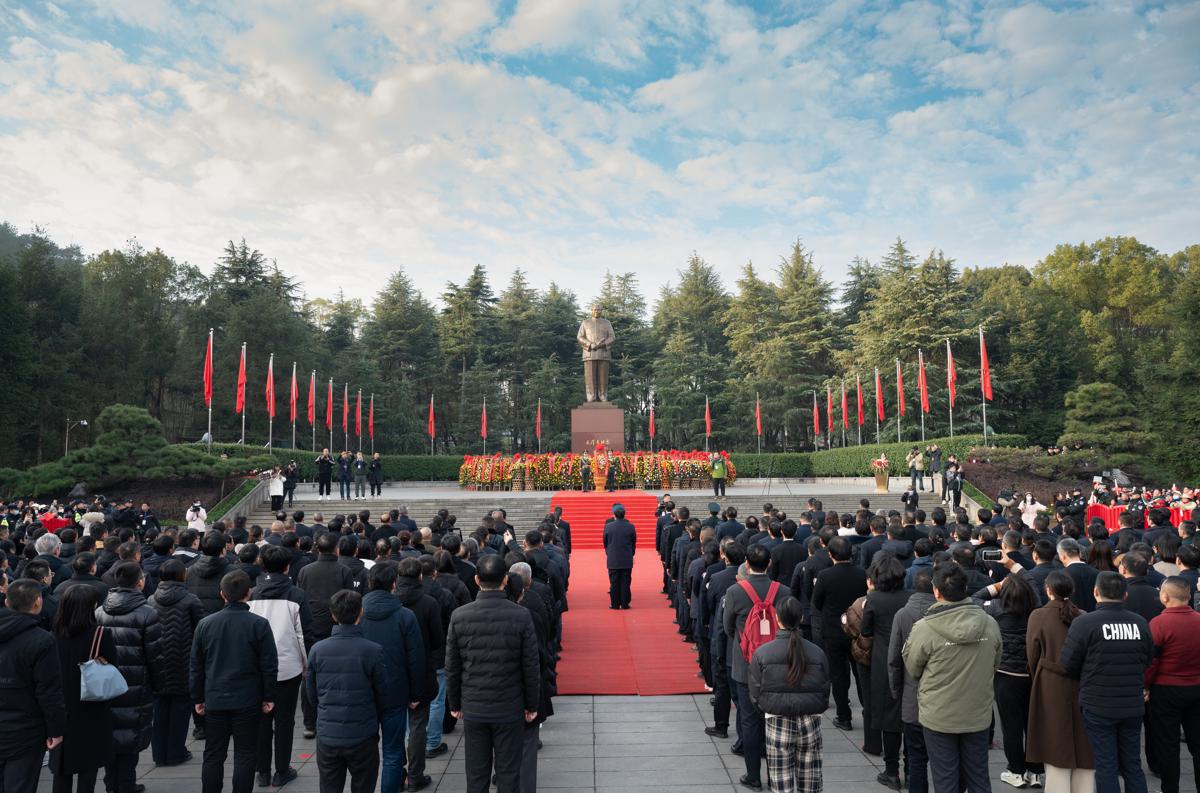
It is not fair to judge Mao only based on the catastrophe of the Great Leap Forward and the Cultural Revolution. His legacy was wider than that. And his failures inherently initiated positive outcomes because they made way for pragmatism, flexibility and adaptation. Mao had preceded Deng Xiaoping in pragmatism because he had deviated from the dogmatic application of Marxist-Leninist economic prescription. Therefore, when, in highlighting China’s shift towards result-oriented governance, Deng famously adage(d) in the 1970s that “It doesn’t matter whether a cat is black or white, as long as it catches mice,” he was walking in the footsteps and echoing the voice of Mao. The market reforms that Deng and other post-Mao leaders implemented germinated out of soils tilled and mulched by Mao’s institutional and ideological legacy.

Under Mao, the CCP had to navigate delicate and complex challenges. They faced external threats from the West, dealt with excruciating internal conflicts, got sunk into economic crises, but surmounted them all. It was the resilience acquired in these turbulent times that allowed the flexibility of change that saw the CCP dismiss Mao’s collectivist policies and embark on freer market reforms. Moreover, the framework of ideology and rhetoric that reformers applied to maintain and continue the socialist revolution in China was critical to Mao’s legacy.

Mao’s ideas and practices as a guerrilla can also be traced in the establishment of Special Economic Zones (SEZs) in the 1980s. One can see the tactics of experiment, flexibility and adaptability in the way the SEZs were operated, with cities like Shenzhen working as laboratories in which foreign investments were tested, private enterprises were nursed, and export-led growth was first risked before it was scaled nationwide. This is how economic instability was avoided and instead poverty was reduced, GDP growth was sustained, and China was able to integrate into the world economy without incident. It is not difficult to see consistency in how Mao attempted to industrialise China’s rural areas during the Great Leap Forward with the model of SEZs, which experimented with localised economic reforms, although with the necessary modifications.

We should not fail to analyse the paradox of Mao Zedong’s complex legacy because of his weaknesses and mistakes. History is more complex than that. It is highly possible that the mistakes of a leader play a critical role in the success of her or his successor. And when this happens, one cannot distinguish or remove the “mistakes” from the “success.” This is true of Mao’s legacy. It is hard to imagine the economic success and political resilience of China without the foundation laid by Mao’s ideas and practices, even those judged by history as disastrous failures.

The writer is a senior research fellow at the Development Watch Center.

Zero Tariffs: How China Quietly Rewriting Africa’s Trade Future

At a time when trade wars are raging across the world, something remarkable happened. China opened up its market to Africa fully, as it had promised during FOCAC 9 in September 2024. This write-up will have characteristics of great power contestation concerning the African continent, but it’s not a blind hip of praise for Beijing. It’s a fact that China has not in the past treated Africa with an imperial hand, unlike its counterparts in the West, especially Washington, that only deals with Africa on vertical level.

Present Trump 2.o has decided commercial diplomacy will shape his foreign policy, and Tariffs are at the forefront of his arsenal as the United States deals with the rest of the world especially Africa. Even when Washington established the famous African Growth and Opportunity Act (AGOA) in 2000 to give African economies duty free access, at the end of the day countries that didn’t obey US orders were kicked out. The orders are normally political conditions such as human rights records that are hypocritical, after all they set up their country after genocides against native Americans.

China’s policy to grant African countries duty free access was not an overnight decision, it has been decades in the making, based on pragmatic dialogue between the two sides. It all started back in the Forum on China Africa Cooperation (FOCAC) Ministerial conference in Addis Ababa in the December of 2003 when zero Tariff were introduced on selected African exports to China from 30 countries, and by 2018 the number increased to 33.

In September of 2024 the 33 countries were formally granted zero tariff treatment to all their experts to China beyond the selected goods from the past, and this took effect in the following December. Through further dialogues most notably the most recent FOCAC followup ministerial meeting held in Changsha in June of 2025, it was announced that all goods from the 33 African countries, and an additional 20 that have diplomatic relations with Beijing would be eligible for 100% duty free access to the world’s second largest economy.

At the moment all African countries except Eswatini that recognizes Taiwan as a country, have a duty free access to the Chinese market. Eswatini’s diplomatic stance does not make sense because even the United States doesn’t recognize Taiwan in that capacity. As Africa was still figuring out the African Continental Free Trade Area (AfCFTA) nothing is going to boost the continent’s main trade vehicle like the Chinese gesture for trade and corporation.

Today China has the second largest economy on the planet with a population of about 1.4 billion people, it has a middle class of over 400 million people, this middle class is still growing and it has the characteristics of other middle classes world over, it desires high quality products of all sorts. This opens several opportunities for the African continent, for example through AfCFTA, to meet Chinese demand for beauty products by African start ups in that sector across the continent will require collaboration, and coordinated efforts to make it into the Chinese market for starters. It’s going to take enhanced regional supply chains that will require regional hubs to facilitate the logistics before they hit the ports to head out for China.

For the youth on the African continent to make into sectors like fashion on the Chinese market, they have to scale up production jointly across the continent, improve economies of scale and export competitiveness are some of the areas that African women making designer clothes that meet the Chinese standards will have to take on from time to time to survive. Automatically to meet the Chinese demand African governments have to make sure there are policies in place to foster intra-Africa trade as industrial diversification will be vital.

On July 15th 2025 as Trump was proposing to impose 10%+ Tariffs on the global South, Beijing gave every African a chance to experience this remarkable natural trade evolution between China Africa Corporation, it’s not imperialistic, it’s coherent and inclusive. The question now, is how does each African from an individual level especially the educated youth benefit from having access to 400 million people with enough disposable income and consuming everything at the moment from goods like coffee, and shea butter, to services like art and music? Most African governments know exactly what they will be exporting to China, but it’s important that the individuals also position themselves to benefit from the duty free access.

To get an African product to the Chinese market there must be agents involved, its not a usual opportunity for Africa to be at the up stream of a supply chain as goods get exported to China. To meet the quality standard, more jobs will be created in agriculture, at rural industrial hubs, and in mining. Even in fashion their will be some form of machinery operations. To facilitate logistics, transport is an endless expanse. The best informed will take up the space of export consultancy. To penetrate the Chinese market, online platforms and E commerce are a must.

A few policies at state level must be put in place across the African continent under the watch of the African Union and it’s 2063 agenda the backbone of the AfCFTA, but also individuals like you and me must be ready to take up the opportunities that will be present to benefit from Africa’s zero Tariff access to the world’s largest population.

The author is a research fellow at the Centre for BRICS Studies, Uganda.  


Price of Sovereignty: Nations Face Punitive Action for Seeking Alternatives

Development is to humans a breaking free from natural necessity as it is to nations breaking free from control by others. Likewise, for nations, the pursuit of development is a national interest as it improves their standing in the international arena and guarantees the attainment of other  aspirations as a result. This notwithstanding, unilateralism under the current global order often puts the interests of powerful nations ahead of those of the smaller nations. Oftentimes, actions taken by powerful countries  in the name of protecting their interests are a direct challenge to interests of other nations. These interests sometimes encroach on their legitimate right to development.

For instance, earlier this month, BRICS leaders reaffirmed their commitments to the group’s values of mutual respect, sovereign equality, and solidarity among others as cornerstones of meaningful multilateralism at the group’s 17th summit in Rio. While this was perceived as the common interest of member states, the declaration was met with threats from Washington ranging from of 10% additional tariff on all nations that  align with the group. At the same time, Brazil another member of the group joined the likes of China, receiving a special punitive package of 50% tariffs effective August 1st besides being investigated for so called unfair trade dealings.

As a platform for cooperation initially championed by the emerging economies of Brazil, Russia, India, China and South Africa, BRICS has added 6 new members since 2015 including Indonesia,  Saudi Arabia, Ethiopia and Egypt. Despite representing close to half the global population, the group  does not seek to replace the traditional multilateral system but rather to offer an alternative model of multilateral cooperation. Other than responding with opposition,  such efforts must be welcomed as they exemplify what is possible under a reformed multilateral system.

By addressing legacy shortcomings of the current multilateral setup faulted for a lack of equality and representation, BRICS must provide motivation for the requisite reforms; the absence of which  have for over half a century kept the global south on the sidelines of global governance. More so, the platform only aims to prioritize the southern agenda, giving it a collective voice in global governance. Therefore, to call BRICS anti-America is the equivalent of saying to be pro-America is to ignore the interests of the billions it represents.

As long as it remains difficult to delink international cooperation and development, targeting nations with punitive action on the basis of who they cooperate with or what group they  are aligned with is akin to dictating what interests nations are allowed to have, or the path to development they must follow. Of course, this is not practical where, due to different national realities, development challenges and capabilities are so diverse. When a 10% extra tariff is declared against any nation that aligns itself with what Washington calls “the anti-America BRICS,” it is an obvious threat to immediately reverse any gains nations might have sought in such a collaborative arrangement. A choice, conscious or otherwise  to perpetuate the unfair international political landscape that made BRICS possible in the first place.

Incidentally, following years of calling for reforms in the existing multilateral system, it should not come as a surprise when BRICS comes up as a brainchild of the global south. Likewise, neither should the alignment of other countries in the region with the platform be. Instead it should be surprising that nations whose interests haven’t mattered must be punished for seeking an alternative. For one, the framework is by nations from the global south and two, it promises sovereign equality, mutual respect; a shift from the status quo under legacy institutions. The same status quo that is at the foundation of  the calls for reforms.

Whereas it is understandable why proponents might argue for the right of Washington to protect its interest, this also raises a question on what must become of the interests of the  other nations. More importantly though, there is the question on whether  there can be sovereign equality where the interests of one supersede those of many. As this scenario unfolds, because Washington believes BRICS to be anti-American, all other nations must rally behind Washington’s interests -ignoring their own, or get crushed in a fete of punitive diplomacy. Meanwhile, apart from the inherent risks that come with being added to the hit list of powerful nations, the real risk is in what nations must give up in this trade off…their own national interests, even their development goals that are entwined with these interests.

The choice of partners and forums for cooperation should be a sovereign discretion. In the same way, the kind of threats levelled against any country that aligns with BRICS does nothing short of underscore the dire urgency for an more equitable global order – an order that respects sovereign equality, mutual respect and understanding among nations. While the choice to impose tariffs would fall perfectly within the purview of those imposing them, tethering them to alignment or non-alignment with anyone highlights the fractured state of international order and the importance of platforms like BRICS.

Unless the current multilateral system is designed to act in the interests of the powerful nations, it ought to have heeded the global-south’s call for reforms. Alternatively,  there is still time to act on unilateralism to keep it from suffocating  the interests of smaller nations. But as long as non of these is possible, the ensuing global challenges will necessitate new perspectives on current global problems like the one offered by BRICS, and resorting to punitive action only exacerbates the original challenges.

The author is a research fellow at the Centre for BRICS Studies, Uganda.

Georgemusiime@dwcug.org