China’s Path to Modernization and its Implications for Uganda and Global South By Moshi Israel

In a 2021 speech marking the CPCs centenary, President Xi Jinping declared; “Through the continued efforts of the whole Party and the entire nation, we have realized the First Centenary Goal of building a moderately prosperous society in all respects. This means that we have brought about a historic resolution to the problem of absolute poverty in China, and we are now marching in confident strides towards the Second Centenary Goal, building China into a great modern socialist country in all respects.”

While addressing media and Ugandan Think Tanks during a Symposium on the Implications of the 20th National Congress of the Communist Party of China (CPC) themed by “Forge Ahead on the New Journey and Work Together for A New Era,” at Chinese Embassy in Uganda, Chinese Ambassador to Uganda, Zhang Lizhong stressed that China’s development path will see China match towards Beijing dream of realizing the Second Centenary Goal and see China advancing into a more modern socialist country. Stressing that the recently concluded CPC National Congress “established the core position of General Secretary Xi Jinping in the Central Committee and the whole Party, laying a solid political foundation for striving for the great success of socialism with Chinese characteristics for a new era,” Ambassador Lizhong expressed confidence China is on right track with its development path.

China’s path to modernization is one rooted in centuries of exploration. Like all journeys, it is not a straight forward path but a long winding curve, a learning curve. China’s path to modernization holds key implications for developing countries around the world, and in this context, Uganda and arguably, many countries in the global south.To understand the path to modernization from a Chinese perspective, going back in time is a necessary step.

During the Qing dynasty (1644-1912), China was a weak Imperial state with rampant civic corrupt infrastructure. The weak Qing empire was reduced to a semi-colonial, semi-feudal society following the opium war of 1840s. China had to endure what came to be known as a century of humiliation as foreign powers ran amok and exploited the Chinese people. The calamities befalling China in this era spurred many people to seek new ways to strengthen and unite a weak China and change their trajectory through development and modernization. The building blocks for a strong independent China started forming in the minds of Chinese people during this tumultuous period.

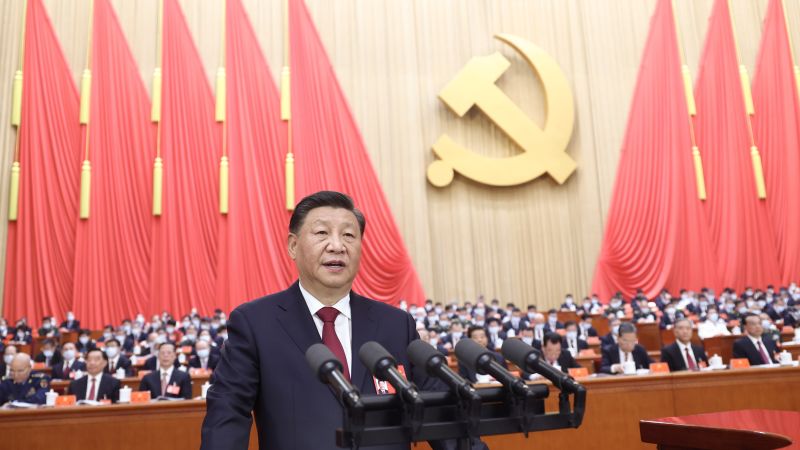
Fast forward to the 20th century which saw the rise of China’s Communist Party (CCP). China underwent a communist revolution in 1949 that ushered in the birth of the People’s Republic of China (PRC) which subsequently came with a fresh and more determined commitment to modernization. Under the CCP, China has set a clear path to modernization and has made significant strides. In a report delivered by CPC’s Secretary General who is also Chinese President Xi Jinping on the opening ceremony of the 20th CPC National Congress, he reiterated the central purpose of the CPC stressing that; “from this day forward, the central task of the CPC will be to lead the Chinese people of all ethnic groups in a concerted effort to realize the Second Centenary Goal of building China into a great modern socialist country in all respects and to advance the rejuvenation of the Chinese nation on all fronts through a Chinese path to modernization.”

The Chinese model of modernization is similar in some respects to other processes of modernization. However, it is unique in the fact that China pursues modernization with Chinese characteristics. This is important to note for a country like Uganda because it emphasizes the idea of considering national realities while addressing national challenges. China’s model presents an alternative path different from the western world. For many decades, developing countries have applied western generated solutions to their economic, social and political problems and have acquired little to no success. Many times, these solutions such as the Structural Adjustment Programs (SAPs) recommended by the International Monetary Fund (IMF) and the World Bank have outrightly failed. As president Xi, put it, China’s model offers a new direction of modernization.

China’s path to modernization is especially remarkable given the fact that it had to lift billions of its citizens out of absolute poverty. This has had a broad and worldwide impact and has greatly contributed to the cause of human progress.

Furthermore, China’s modernization model it involves material and cultural-ethical advancement and harmony between humanity and nature. The planet is currently facing an existential climate crisis and China wants to lead the way in combating the challenge. China’s commitment to environmental action is not mere words. The country is actively involved in Global Environmental Governance and International Cooperation. China has promised to peak its carbon emissions before 2030 and achieve carbon neutrality before 2060.

Within China, the CPC seeks to adopt new initiatives as indicated by Mr. Han Wenxiu (Official with the CCP Central Committee for Financial and Economic Affairs) to narrow the gap between different regions, rural and urban areas and different income groups. On the world stage, China seeks peaceful development. It supports a world order based on addressing the world’s crises. To China, a multipolar world based on mutual respect and cooperation is an ideal one. The message is simple, a strong China means a better world.

At some point before the founding of the PRC, China tried to achieve modernization through generating material wealth, carrying out institutional reform and trying to copy western development models without success. Instead of running around in circles, the CPC led China on a new path. During the First Session of the Third National People’s Congress, from 21 December 1964 to 4 January 1965, then Premier Zhou Enlai emphasized the importance of turning China into a strong socialist country through the modernization of agriculture, industry, national defense, and science and technology. It wasn’t until 1978, that China paved the way for its reform and opening up through a landmark event of the Third Plenary Session of the 11th CCP Central Committee.

The CCP used a three- step development strategy for China’s modernization. The first step was to double the 1980 GNP and ensure the people had enough food and clothing. That objective had been attained by the late 1980s. The second step was to quadruple the 1980 GNP by the end of the 20th century. This was achieved in 1995, ahead of time. The third step, is to increase the per capita GNP to the level of medium-developed countries by the mid-21st century. At which point, the people will be well off and modernization achieved.

To a developing country like Uganda, China’s path to modernization serves as a blueprint. Uganda has the opportunity to learn from both the west and China and then choose the most suitable path to realizing her own modernization with Ugandan characteristics. The drive to achieve this goal must be people centered with the aim of achieving prosperity for all. China’s path shows that there is hope and much has to be done. These words of president Xi, at the end of this year’s report to the 20th National congress of the CPC should be the unanimous battle cry of every leader in the developing world and particularly ruling political parties’ world-over; “Let us keep in mind that empty talk will do nothing for our country; only solid work will make it flourish. Let us maintain firm confidence, unite as one, and forge ahead with resolve. And let us strive in unity to build a modern socialist country in all respects and advance national rejuvenation on all fronts.”

Moshi Israel is a senior research fellow at the Development Watch Centre.

China Global Trade Expo: Xi’s promise of opening up China’s domestic market is Good News to Global South

By Alan Collins Mpewo.

Jointly hosted by China’s ministry of Commerce, the China International Import Expo (CIIE) is held every year in Shanghai. The expo is a trade fair and attracts numerous commercial actors (individual and otherwise) from all corners of the world. There are exhibitions of all majorly known legal commercial aspects. It has a world ranking status for being the first national level expo centered on an import theme. Exhibitions go on for a considerable time and it goes without saying that all actors engaged in the expo yield extensively in a business sense. It was first held in 2018 and it partners with reputable world commercial forums such as World Trade Organization, United National Industrial Development Organization, among many others alike.

This year’s expo commenced on 4’th November, 2022, with Chinese president Xi Jinping issuing the flag off speech. Other factors constant, the expo aims at exposing Chinese domestic products and services to the far ends of the world. In his opening ceremony address, President Xi had much to say; much of which revealed opportunities especially to countries in the global South.

It goes without saying, that until recently, most of such members of the global south have had explainable complexities in as far as penetrating the deeper consumer ends of foreign markets.

Uganda and its counterparts can pick from such initiatives to have national platforms held primarily for asserting more visibility of their domestic merchandise and services. Often times, potentially exquisite merchandise and services fall victim to an already uncoordinated market. The potential qualifier would therefore be – setting up such platforms to host players that would have some (and perhaps all) of the present market products penetrate far lands.

Presently, the development paradigm is shifting from a closed and overly gazetted market sphere, to an open border market. While the concept of extensive national domestic product and service marketing may seem novel, its importance shouldn’t be misunderstood. The world converges at one arena, with the national market taking center stage in that pursuit. China has exploited the concept. We can borrow this from them!

The world is at a point of mitigating the consequences of COVID-19 and therefore, Uganda and the other countries in the global South should adopt such ideas of boosting the post COVID recovery process of their economies.

In his speech entitled; “Working Together for a Bright Future of Openness and Prosperity,” President Xi reiterated the idea of openness as one of the founding principles of global human civilization. If critically analyzed, this will certainly help in creating new opportunities for the world with China’s own development, and contributing its share to building an open global economy.

Stressing this this, President Xi explained that China remains committed to the fundamental national policy of opening up to the outside world, pursues a mutually beneficial strategy of opening-up, and adheres to the right course of economic globalization. “Today, the CIIE has become a showcase of China’s new development paradigm, a platform for high-standard opening-up, and a public good for the whole world,” President Xi stressed.

In situations when the world is riding on uncertainties that may befall them, some of which have tolls on world economies, such would be a time for Uganda and her global South counterparts to embrace such concepts as modes of fast-tracking economic growth and reasonable stability even when hit with dangerous circumstances just as COVID-19 did sneak about unnoticed. Striking forces of innovation as these, guarantee a fighting opportunity for lower ranking nations on the world economic radar as regards mitigation of the far-reaching damage.

Globalization as a driver of cordial international relations is another aspect Uganda and her neighboring sister nations should prioritize. Such forums also seek to reassert the resolve of these countries in as far as efforts to achieving such. Quality guarantee would also be in sight. Understanding the global consumer needs is best at such forums. What needs to be improved? Rid of? Adopted… in quality assurance in the market components to realign with global demands. The general trend would always be guessing of the intricate global demands, yet with such platforms, lessons are detailed at a nationally controlled forum for all parties to easily pick lessons.

They are also a center for convergence of International commercial organizations. Not usually do the indigenous actors’ interface with the global commercial market regulators on a dialogue basis.

The other main picks from President Xi’s CIIE speech on the need for extensive multilateralism growth was the unwavering upholding of China’s principle of “mutual respect.” Such commercial establishments invite tendencies of superiority complex over the other countries engaged in such arrangements. China on the other hand, has remained pegged on its foundational ideal of cross-border diplomacy. For Uganda, this is a call to never having to bend its pursuits to intentional harm of other such benefiting parties. The diplomatic impressions born from how the country treats its partners either validates easier paths to establishing deeper relations with such other countries, or catalyze formation of fresh such relations with other countries there’s.

By and large, economic prosperity should be one of every country’s priority, and such initiatives as China’s expo are one of the novel ideas to adopt, benchmark, or learn from, for the global South.

Alan Collins Mpewo is a lawyer and a  Senior Research Fellow, Development Watch Centre.


The King Fisher Project is a textbook of Example of A Mutually Beneficial Partnership

In 2016, the diplomatic relations between China and Uganda assumed a new mile stone when the two nations agreed to elevate their relations to the level of comprehensive co-operation partnership. This meant new heights of co-operation through harmonizing foreign and domestic policies to achieve social- economic transformation and building a community with a shared future in form of a win-win co-operation strategy as a common goal by both states. Through the king fisher oil project in the Albert region, the government of Uganda, contracted the China National Offshore Oil Corporation (CNOOC) to spearhead the construction of the site and subsequent oil drilling in the area.

The king fisher project is located in Kikuube and Hoima Districts in the valleys of Buhuuka parish along lake Albert. The first challenge CNOOC inherited was the inaccessibility of the Kingfisher area, surrounded by steep mountains and rocks. The only mode of access was by air or sea. Locals navigated the hostile lands by walking long distances of about 3 hours to reach neighbouring villages. However, CNOOC in collaboration with Uganda government helped to construct a standard road through the rocky hills and mountains. This eased access for both company workers and the locals to their respective destinations.

Cross border trade between Uganda and Congo and economic activity within the native local community has also improved since residents can now move to Hoima city more conveniently. The road has also made it possible for cargo to be transported to the landing site designated for neighbouring Congo hence widening Uganda’s exportation capabilities and earning the government revenue. CNOOC directly employs about 280 Ugandans which is about 78 percent of the company’s labour force. Additionally, CNOOC contracts 42 other local contractor companies to handle site development projects which also employ about 1,334 other Ugandans to the project. Ugandan experts and engineers have gained valuable training from CNOOC which is preparing them in the long-term to manage future oil projects.

CNOOC has aided and supported life transforming projects and workshops for the affected communities. These include live stock and crop development program to train famers better farming mechanisms as a surplus to fishing. This has helped alleviate the problems of fish hunting that risk depleting the fish resource. Under the live stock and crop development program, the communities have been enlightened about better ways of farming and a total of 315 affected people engaged in the program. The parish selected 9 farmers that received 9 boram bulls, 10 poultry famer’s groups received 500 chicken each, as well as 9 others that received 5 exotic piglets and boer buck goats. I also learnt that the empowered poultry farmers now supply eggs and chicken to king fishers’ welfare needs department hence earning income that has improved economic status.

CNOOC has also opened up skill workshops to the affected population in Kikuube district. They include Manual skills training fully funded by CNOOC. Many Ugandans have attained welding skills at munteme vocational training Institute and they will be deployed at the construction of the East African crude oil pipeline (EACOP). Others in Hoima city in collaboration with Bunyoro Kingdom have been trained to operate heavy cargo vehicles and a large number have been added to that program and are currently being trained.

The Buhuuka water project scheme was fully funded by CNOOC has transformed the lives of the native affected communities. The water scheme currently supplies local residents with purified and clean water. The water is piped and delivered to the locals. Some of the locals who opted for fully furnished houses instead of cash compensation as resettlement fees, can readily access water through water tanks connected to their houses. The water scheme has alleviated water pollution and its related effects of diseases. Before, the CNOOC led water scheme, the locals were constantly hit by the deadly Bilhazia which seems to have completely been eradicated for now. The community also was availed a health center that extends affordable health services to them. The clean and purified water project is currently being managed by the locals who have been trained by CNOOC engineers on the technicalities of maintaining a complex water scheme.

To conclude, the Kingfisher project run by CNOOC is to a large extent a success story for the collaboration between the Uganda and China peoples. It is a testament to the power of mutual friendship for mutual benefit and underlines China’s commitment to working with developing countries to attain sustainable development and build a community of common prosperity and shared future and prosperity for mankind.

Balongoofu Daniel, Research Fellow Sino-Uganda Research Centre.


60 years of Diplomatic Relations: Uganda should learn from China’s rapid industrialisation story

Time and again, perhaps more frequently in the last 10 years, the Ugandan President has been on record talking about the need to industrialise or revamp at that, Uganda’s largely agro-based economy. The gospel of industrialisation and manufacturing has been so enthusiastically preached that various industrial parks have sprouted up in various regions in East Africa’s fourth largest state namely Kapeeka, Namanve and Mbale among others, thanks to Chinese heavy investments in these projects. Stories of Chinese industries in Kapeeka industrial park are inspiring. Literally, Chinese investments there have turned the once war war auditorium to flourishing industrial epicenter offering employment opportunities to thousands of Ugandans.

An objective assessment of the performance of these industrial projects illustrates that whereas as commendable achievements have been realised, much is left to be desired. That, exactly is why and where, the ‘banana republic’ can make use of its ally, the Peoples’ Republic of China, in as far as benchmarking some of the ideas that the Asian power house deployed to craft up one of the world’s fastest industrial revolutions, so as to realise her ‘industrial potential’.

Herein then follows a brief illustration of the evolution of China’s industrial revolution with the crux of the discussion being the mechanisms and policies that were employed to achieve that fete and perhaps how an industrialising Uganda may benefit from such. A former ‘agro-nation’ itself, China may effectively provide some practical solutions to Uganda’s ambitious industrialisation campaign.

The timeline of China’s over 40-year-old industrial revolution is indeed wide and requires more than a few worded-essay to extensively discuss however in the interest of being brief but concise, it can be argued that the revolution featured four distinct periods.

The revolution started with the system transition period (1978-1991), the market economy establishment stage (1992-2001), the period between China’s accession to the WTO to the 18th National Congress of the CPC (2001-2012), and the period since the 18th National Congress to date (2012-2020). Throughout the above mentioned stages, China implemented major industrial reforms that can be attributed to its status as the world’s principle industrial powerhouse today.

For purposes of this discussion and logically because Uganda can be argued to be in the early stages of its industrial revolution or revamp, focus will be emphasised on China’s similar system transition period to identify the foundational blocks laid to support the growth of a robust industrial sector, that the ‘pearl of Africa’ may learn from.  According to Wei Jigang, (Director Industrial Economy Research Department of China Development Research Center), the country’s industrial revolution can be originally attributed to the third plenary session held by the 11TH Central Committee of the Chinese Communist Party in 1978 where it was agreed that China enters the reform and opening up era that spurred the industrial revolution process.

The system transition period of the country’s economy was mainly along the lines of developing such policy and reforms that would cure the severe growth imbalance among the various sectors of the economy. There was imbalance amongst the agricultural, light and heavy industry, power industries among others, making operation and development of the national economy impossible. Solutions were required.

Firstly, a planned, coordinated and intentional development of the agriculture, light and heavy industry sectors between 1978-1985 was initiated. It was perhaps observed that excessive prioritisation of one at the expense of others would not serve the economy. The oil, electricity, building materials, transportation industries were strengthened as their progress could easily kickstart development of other industries and resultantly the economy. Government undertook to support the textile industry through raw material sourcing and supply, adequate electricity and fuel supply among others. Government intervention is really crucial.

Comparatively, Uganda in its early industrial development stage, seems to suffer from an imbalance of the economy’s sectors. Uneven and uncoordinated support to some sectors at the expense of others nips the young industries in the bud. Efforts should perhaps be directed at fair and more purposeful allocation of the available resources across the board. Reports of inadequate supply of raw materials at the Soroti Fruit factory is a worrying observation that requires urgent government in survival of established industries if the industrial sector is to survive. In China, efforts were also directed at pushing manufactured products to the international market.

The opening up of the Chinese economy to foreign technology and economic ideas is another mechanism that served its purpose in the in the early stage of the nation’s industrial revolution. If implemented under the principle of equality and mutual benefit, foreign presence in Uganda’s industrial growth can be an invaluable step. In essence, Uganda needs to be wary of the danger of uncoordinated and imbalanced sectoral development if the industrial revolution is to bear fruit. China addressed this well.

A study of the Grant & Thornton Uganda overview of the 2022/23 national budget points to part of the problem. The disparity in allocation of sectoral expenditure resources is evident from the fact that whereas Works and Transport sector was earmarked to receive over Ush 4.3 trillion, their counterparts in the Trade and Industry sector were reportedly allocated a paltry Ush 418 billion. Without downplaying the role adequate infrastructure can play in industrialisation of a country, the imbalance in resource allocation shall result into an imbalance in the growth of the sectors and resultantly, the economy. A more equitable and fair allocation of the available minimal resources across the table would suffice in my opinion.

In addition, it may also be important to note that Jigang unequivocally notes that this first stage of industrial revolution succeeded due to the intentional and dedicated planning and commitment by the implementers of policies. A thorough and serious approach from government on its policies will determine to a large extent, the fate of the sector.

In conclusion, the idea is not to copy and paste China’s policies into the industrialisation process of Uganda as this would be a redundant approach however, there are effective policies and advise that both countries, who share thriving diplomatic relations may cordially exchange to the benefit of the latter.

Marvin Hannington Kalema is a Senior Research Fellow at Sino-Uganda Research Centre and a law student at University of Johannesburg, South Africa.


CNOOC Is Still Uganda’s Reliable Energy Partner Amidst EACOP Controversy

By Moshi Israel.

In International Relations, a country’s political and economic success largely depends on the friends or enemies that country makes. Uganda is no exception to this rule and so far, the Pearl of Africa’s closeness to China is proving to be a wise decision. Time as usual shall be the ultimate judge of this relationship. As President Museveni has occasionally hinted, the oil and gas sector is vital for Uganda’s long-term economic development strategy. The discovery of oil is not an event any country can simply ignore. It represents many opportunities as well as potential dangers. The most significant step is for Uganda to be ready for all these eventualities by making well-meaning strategic partners. China, through China National Offshore Oil Cooperation is likely to be such a partner in the energy sector for Uganda, (CNOOC).


Many Ugandans were alarmed and taken aback when the European Parliament passed a resolution on 14th September compelling Uganda and Tanzania alongside their partner TotalEnergies SE, to delay development of the East African Crude Oil Pipeline (EACOP) for at least a year citing human rights and Environment concerns. Whereas human rights and a clean environment must be top priority for every government around the world, the irony in this resolution cannot pass without notice. One needs to only check the list of countries from which the European Union imports its crude oil, solid fossil fuels (coal) and gas to assess the sincerity of the parliament’s resolution. Furthermore, it is important to remember that EACOP represents less than 0.1 percent of the operation global pipeline network of 1.18 million kilometers.

A closer look at the Kingfisher project by CNOOC, shows that Uganda is still on the right path to meeting targets with regards to environmental concerns, human rights through proper compensation and resettlement of persons affected by the oil project. CNOOC holds around 28.33% of the shares in the oil project alongside TotalEnergies SE (56.67%) and UNOC (Uganda National Oil Company), 15%.

In 2025, EACOP is expected to be online and the offloading of the first ship of oil is expected in the same year. CNOOC announced that it would invest USD1.6 billion in the kingfisher project with about $400m going to local providers. The Final Investment Decision (FID) was approved by CNOOC on 4th November, 2021 and on 1st February 2022, Uganda government announced the FDI. The Kingfisher oil field construction kicked off on the 11th of February 2022 and the oil field is expected to be ready for startup by the end of 2024. The main facilities on the kingfisher project are to include; 4 well pads, one Central Processing Facility (CPF), water intake station. Supply base, permanent camp, temporary camp, safety check station, 47.6km feeder line to kabaale including a high voltage cable plus road and other infrastructure.

As a researcher, over the weekend I visited CNOOC’s Kingfisher oil field project and from analytical perspective, CNOOC is doing a commendable job. The project has a plan for impact mitigation activities which involves stakeholder engagement activities. This is important because the plan which is already in practice seeks to quell doubts concerning the project by extending field visits to operation areas by key stakeholder groups such as special interests at all levels from national to the village level.

Additionally, CNOOC has an environment work plan designed to mitigate environmental risks caused by the project. The company completed an Environmental and Social Impact Assessment (ESIA) approval for a High Voltage Test Lab and feeder line ESIA in June, this year. The company also has an ESIA approval for Drilling Buffer Yard as of 14th July 2022. Also, CNOOC completed ESIA for shoreline protection system and jetty structure on 13th, July 2022. In August, the company rolled out the Monitoring and compliance register and a finalized legal compliance MS.

In context of jobs creation, the kingfisher project is currently employing over 2,715 Ugandans, which is over 78% of the total personnel. 280 total workers and 149 Ugandan nationals are directly employed by CNOOC and 2,436 by contractors. 524 of all the employees are from the local communities and there are 42 local subcontractors. These numbers are expected to increase as the project progresses.

CNOOC has also undertaken National Content activities aimed at benefiting Ugandans. These include supplier development engagements, enterprise development training programs that have trained over 150 small enterprises (SMEs) from the Albertine and Kampala regions with an additional 200 SMEs to be trained this year. The project has also implemented a community supplier development program to help farmers and small businesses to supply food and other items to the project. CNOOC has also trained and licensed 140 heavy goods vehicle drivers including a number of women. The project has facilitated training of over 126 trainers under its train the trainer program in Kichwamba and other vocational training institutes. Additionally, 230 welders have been trained and internationally certified in 2G and 6G coded welding.

When one takes a walk-through Kingfisher, it is easy to notice standard houses constructed by CNOOC for the locals who opted for this option instead of taking cash in resettlement money. The resettlement houses are up to standard with a kitchen, latrines and a tank collecting and supplying piped water purified by the company from a nearby stream.

In conclusion, the kingfisher project by CNOOC is a droplet of hope in an ocean of controversies surrounding the oil projects in Uganda. It is evidence that somethings can be done right. CNOOC is largely representative of Uganda’s partnership with China based on mutual respect and benefit for years to come. It is up to the Ugandan people and Government to make the oil project a blessing or a curse for the country. CNOOC is doing its part, it is up to the government of Uganda in collaboration with Ugandans and other stakeholders, to ensure that human rights are respected, the environment is protected and corruption not tolerated so as to alleviate some concerns from the international community.

It is also the responsibility of our international partners to make decisions based on facts and through research before taking a path that would destroy the livelihoods and shatter the dreams of millions of Ugandans, Tanzanians and East Africans likely to benefit directly or indirectly from the oil project.

Moshi Israel is a Senior Research Fellow at Sino-Uganda Research Centre.


CNOOC Doing a Commendable Work, EACOP Could be Turning Point to Uganda’s Economy

It is said that Kampala never sleeps, “the party capital of East Africa” any revealers call the city. But walking across the neon lit bar strips of Acacia and upper Kololo or the music blaring Bandali rise one can almost forget that this was unthinkable two decades ago. The neon lights would be flickering due to irregular electricity supply, the sounds of music blaring over the streets would’ve been drowned by coughing generators one spasm away from the dark abyss of load-shedding. Uganda like many other African countries was facing an energy crisis where the industrial and domestic need for electricity far outpaced the ready supply. To address this the government decides to construct the famous Owen Falls Dam at Bujagali.

This project initially funded by the world bank soon quipped the interest of foreign “environmental and climate” activists who pens blazing launched a scathing attack on the project lobbying both local leaders and politicians as well as unleashing a tirade of international pressure forcing the original contractor to (at great cost) pull out of the arrangement. Eventually the Owen Falls Dam was completed at a significantly greater cost to the Ugandan taxpayer and a less favorable Private-Public Partnership agreement than was in place earlier. However, the neon lights on Kanjokya street every night are a reminder that the Bujagali dam project is paying off.

Why do I bring this up now? For over a year now the East African Crude Oil Pipeline has for over a year now been under attack from a similar ilk of foreign “environmental crusaders” who are using all tools at their disposal to stall and stop the project. The latest weapon in their arsenal is a resolution by the European Parliament to compel Uganda, Total Energies and the China National Offshore Oil Company to stall the pipeline project by at least a year as they carry out among other things a secondary impact assessment study.

Besides the fact that it feels quite tone deaf that at a time when the shifting power dynamics within the Commonwealth establishment have reinvigorated the discussion on colonialism and neo-colonialism a group of (largely) former colonial powers comes together to pass resolutions “compelling” African countries to do their bidding, it seems objectively bordering on double standards because the same nations are urging the OPEC organization to increase its gas output to make up for the Russian supply irregularities caused by the conflict in Ukraine. A little closer to home perhaps the European Parliament may be interested in debating the British oil companies fracking within the North East Sea and what impact that could have on the environment as well as Brussels backtracking on coal reduction targets.

Admittedly, there is need for African countries to watch their Carbon footprint especially when it comes to fossil fuels. What many critics decline to mention is that Africa’s contribution as a whole to the global carbon footprint is close to negligible. As International Energy Agency’s executive director Fatih Birol noted; “if we make a list of the top 500 things, we need to do to be in line with our climate targets, what Africa does with its gas does not make that list.” Truly when one looks at the world’s largest emitters of greenhouse gas Uganda and Tanzania are no where close to the biggest threats to the Sustainable Green energy goals.

Most importantly, European countries should pick a leaf from the Chinese development assistance policies which are infrastructure oriented and non interventionist rather than dictating the course of sovereign nations. In a glaring contrast, while European “climate czar” Frans Timmermans and European members of Parliament debate the energy policies of the country the Chinese ambassador to Uganda H.E Zhang Lizhong was over the weekend at the Kingfisher oil field in Western Uganda to oversee the tremendous work of the CNOOC in setting up oil infrastructure that will be used in the project.

In a viral picture he is seen with a Ugandan female oil engineer, Kahwa Lucy formerly on Chinese scholarship now working at the oil site, a diplomacy masterclass revealing China’s commitment to infrastructure capacity building in the country.

During the same tour, the ambassador witnessed arrival of more components of drilling rigs raising hopes that Uganda’s first oil is about to be seen. With CNOOC’s president Chen Zhuobiao, Ambassador Zhang Lizhong assured researchers and journalists who visited the site that all environmental related concerns raised by EU parliament had been addressed since they had been raised in environmental impact assessment studies. The ambassador also noted that it is unacceptable EU to use claims of environment and human rights in to delay important national development project.

In the long run, it is very possible that Uganda’s oil fortunes can be turned around to fuel a greener economy, it has been done before (albeit on a smaller scale) in countries like Egypt and more recently the United Arab Emirates. Currently the logging of forests for firewood and charcoal burning may pose a more immediate threat to the environment than an oil pipeline built to match global standards of environmental sustainability.

Anyway, tonight, because of the dauntless tireless turbines churning noisily in Bujagali, a few million lights are flickering in the entertainment Capital of East Africa, countless beacons of hope in the “dark content”. Perhaps the oil pipeline may just be the artery that pumps life into the Ugandan economy and awakens the “sleeping continent”.

Shemei Ndawula, is a Research Fellow at Development Watch Centre.

China’s UN speech offers guidance and hope for a stable world

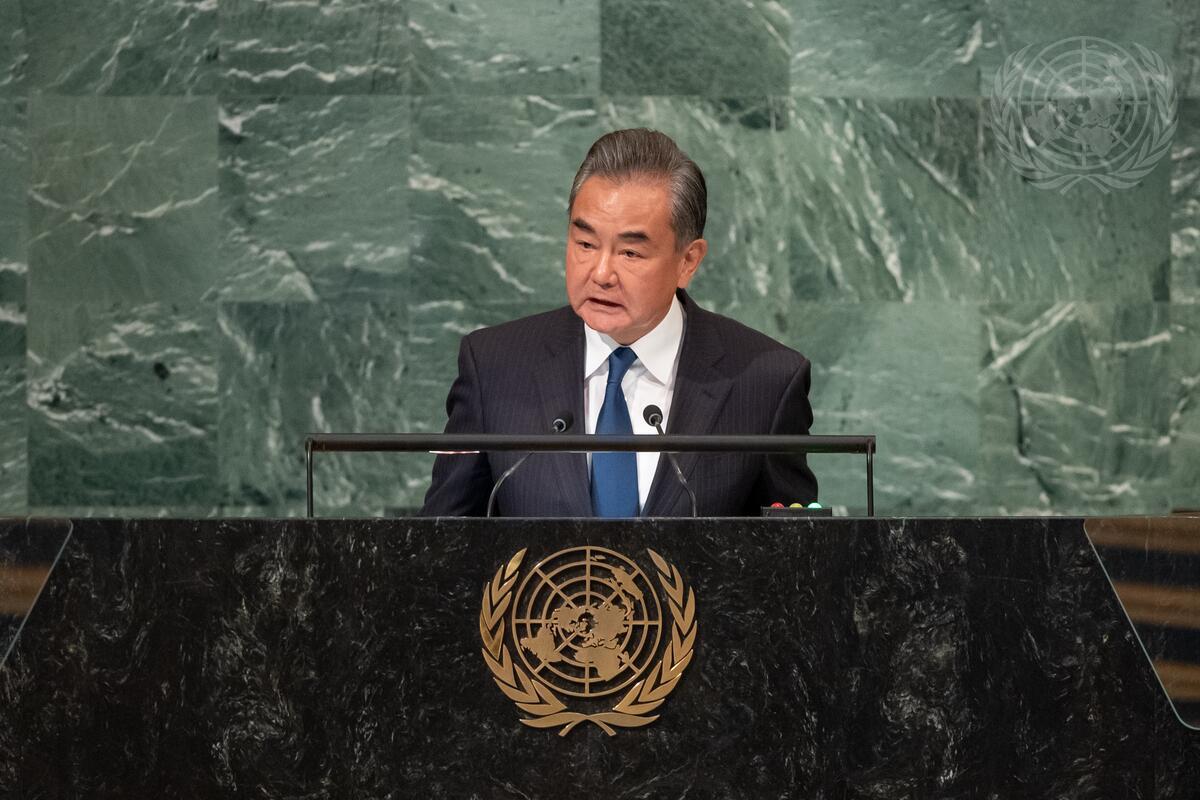
On Saturday 24th, China’s State Councilor who doubles as Foreign Minister Wang Yi delivered speech to the United Nations General Assembly (UNGA) at UN headquarters in New York.

In the 21 minutes address, Wang told world leaders that today, the world is faced with multiple challenges; “COVID-19 has kept resurfacing, global security faces uncertainty, global economic recovery is fragile and unsteady and various risks and crisis are emerging,” he stressed.  Wang went ahead explaining that “changes unseen a century, are accelerating.” This, he argued has seen “the world has entere a new phase of turbulence and change.”

Despite painting a grim picture of the current situation, Wang explained that the world continues to move toward multipolarity, deepening of economic globalization and interconnectedness and interdependence of countries and that increased people’s calls for progress and cooperation among countries getting louder, these are good signs of hope.

To address current challenges the world is facing, State Councilor Wang Yi explained that China is ready to take lead. He then advanced six key areas the world should focus on to ensure that together, the world builds a community with a shared future for mankind.

Stressing importance of peace for the future of international community, Wang emphasized the need to uphold peace and opposing wars. Quoting China’s president Xi Jinping, Wang Yi explained “turbulence and war can only open pandora’s box. And he who instigates a proxy war can easily get himself burned.” Further, he called for peace stressing that “pursuing one’s absolute security can only undermine global strategic stability. We must address differences by peaceful means and resolve disputes through dialogue and consultation.”

Compared with China’s Global Security Initiative which emphasizes common comprehensive cooperative and sustainable security, respect for the sovereignty and territorial integrity of others, abiding by the principles of UN charter, taking seriously security concerns of others among others, this idea will help in addressing global challenges that are security related.

Secondly, explaining that development is key for one’s wellbeing, Wang emphasized the need to support development efforts and end poverty globally. “Development holds the key to resolving difficult issues and delivering a happy life to our people,” noted Wang. He also stressed importance of working together. “We should place development at the centre of international agenda and forge a global development partnership and see that everyone in every country benefit from fruits of development in equitable way,” emphasized Wang.

If analysed, the above resonates well with China’s proposed global development initiative (GDI) which was introduced by president Xi in September 2021. GDI outlines China’s vision in context of global development efforts. It aims to support developing countries in poverty alleviation, public health, and other issues, while putting people at centre of development.

Thirdly, Wang called for an open world economy and inclusiveness while upholding, multilateral trading system like the World Trade Organization (WTO). Quoting president XI, Wang underscored importance of openness explaining that to achieve human prosperity and advancement, the world should oppose exclusion. “Protectionism can only boomerang and decoupling and supply‑chain disruptions will hurt everyone,” explained Wang.

Wang called for global cooperation and opposing confrontation. “Our best strategy is to stick together and the only way forward is through win-win cooperation,” Wang noted. While acknowledging that it’s understandable and natural countries to have misunderstandings, it should not be a reason for confrontation stressing that through dialogue, such can be addressed. He stressed the need to “increase mutual understanding on basis of equality and respect. We should engage in dialogue, consultation, and win-win cooperation and reject conflict, coercion and zero-sum game. We should jointly reject group politics and block confrontation.”

Closer analysis of this view advanced by Wang Yi is that with cooperation, dialogue, respect for one another, cold war mentality and countries rejecting group politics and block confrontation, challenges such as conflicts that threaten global security can be avoided.

Further, Wang Yi mentioned strengthening solidarity, and opposing division as another way world can confront global challenges. Using analogy of passengers on the same ship, he described countries world-over as passengers. “Countries around the world are like passengers on the same ship who share a common stake. All of us should pull together to navigate the ship through storm toward a bright future. Our world must embrace diverse cavillation in order to make continuous advances and mankind must pursue an inclusive path in order to achieve modernization,” stated Wang Yi. He emphasized that democracy and human rights should not be used as tools to achieve political ends.

Wang underscored the need for fairness, equity and oppose bulling which he stressed all go against UN charter. Wang emphasised that “mutual respect and equity of all countries, big and small is a primary principle of UN charter.” He stressed that all international issues should be handled by all and in equal and respectful manner stressing that no country should be tolerated to abuse its power to bully other sovereign countries.

Regarding Ukraine-Russia crisis, Wang Yi called for urgent peace talks to resolve the conflict and expressed China’s full support for all efforts conducive to its peaceful resolution and emphasized the need for all parties to keep the crisis from “spilling over” and protect the legitimate rights and interests of other developing countries. Wang observed that a few countries have arbitrarily imposed unilateral sanctions affecting other countries’ interests.

On Taiwan question, Wang Yi emphasized that Taiwan has been an “inseparable part of China’s territory since ancient times”, and stressed that its “One China” policy has become a basic norm of the international relations and a consensus of the international community. Wang emphasized that Beijing would continue to work for the peaceful reunification with sincerity, but warned that, to realize this goal, it will combat separatist activities with the firmest resolve and take the most forceful steps to oppose external interference.  “Any move to obstruct China’s reunification is bound to be crushed by the wheels of history,” noted Wang.

In conclusion, despite the world entering a “new phase of turbulence and change” as Wang observed, the six points Wang advanced can help as discussed above. This is largely due to the fact that much of today’s challenges are security related and Wang’s six points if analysed broadly, they tackle security concerns issues. Above all, the six points emphasise the need to respect and uphold to the principles of UN charter. Therefore, China’s address to world leaders during 77th UNGA offers leadership and hope for sustainable global security.

Allawi Ssemanda is a senior research fellow at Development Watch Centre.

60 Years of Diplomacy: Uganda and China Are Comrades

By Alan Collins Mpewo.

After 9 days of Uganda having attained independence from Britain, China and Uganda formalized diplomatic ties on 18’th October, 1962. It’s perhaps one of the first countries to have formally straightened diplomatic relations with Uganda.

This year, 2022, the two countries are celebrating 60 years of diplomatic relations. Last week, the Chinese Embassy of Uganda jointly with Chinese People’s Association for Friendship with Foreign Affairs held a conference on the successes of Uganda and PRC for the 60 years they’ve held diplomatic relations. Importantly, there was endless reassurance of continued diplomacy for the many years ahead. Zhang Lizhong, the Chinese Ambassador to Uganda made highlights to some of the major achievements reached as a result of this diplomatic relations.

Tracking Uganda – China successes, the Chinese Ambassador reminded participants of United Nations General Assembly Resolution 2758 that saws China regain its rightful position in the UN. When it came up to a vote, Uganda was among the many countries that voted in favor – PRC to become to the legitimate representative of China to the United Nations. Since that significant undertaking, the two countries have reached tremendous successes to now recently, and perhaps Uganda’s greatest project with PRC yet, the oil exploration in the Lake Albert Graben. With PRC’s contribution, Uganda is destined to decades of impactful oil export while both countries respectfully benefit from the arrangement.

The Oil exploration being carried out by the Chinese North Offshore Oil Company (CNOOC) has already been steadfast and with much confidence from the two partner states that commercial Oil works will commence by 2025. Besides the estimates of the proceeds that will transform the standard of living of majority of the Ugandans, the job creation that the project has so far created cannot be overemphasized. The jobs are not only limited to technocrats, but also for the informally skilled that provide additional required support and resources mainly in Uganda’s socalled oil districts. CNOOC in the same arena has had contributions on the education in Bunyoro Kingdom.

CNOOC has for over 6 years been providing scholarships to top excelling pupils and students in Primary Leaving Examinations, and Uganda Certificate of Education. Over 200 of the top excelling students benefit annually from this project. As a matter of corporate responsibility, CNOOC has also impacted major health centers area and also constructed modern houses for people affected by oil exploration in the area.

The energy sector does not only however, have impacts felt in the Oil and gas industry. Hydroelectricity, a main propeller of Uganda’s industrialization has seen Chinese input. China funded the Karuma Hydropower Plant that has an electricity generation capacity of 600 MW. Another is Isimba Hydro Power Plant which generates 183MW. When their employment capacity is combined, they employed over 9,000 Ugandans majority of whom were youths.

A significant importance of the increase in the electricity transmission capacities has been the foundation for running numerous industries which are located in the various industrial parks located in Uganda, some of which were built by China such as Uganda-China (Guangdong) Free Zone of International Industrial Cooperation, Kehong Uganda Industrial Park, and Sino-Uganda Industrial Park located in Mbale district. These industrial parks are one stop centers for a number of industries broadly dealing in both simple and complex machinery.

In the highlights from the Chinese Ambassador, another major achievement was underscored as far as countering challenges by both countries in arms. The COVID-19 pandemic brought with it huddles whose effects if not for the intervention of China, would still be ravaging majority of Ugandans. Uganda had reached a hard time getting the COVID-19 vaccines purchased, into Uganda on time since there was much competition from global purchasers for these vaccines as most of developed countries choose vaccine nationalism. The first batch of Sinovac was delivered by China in July, 2021, with 300,000 doses, whereas the second batch was delivered in October, 2021. Alongside the vaccines, emergency medical equipment was delivered along in order to secure protection of the health workers who were tirelessly fighting to save lives in Uganda.

A lot more can be said for China’s contribution in its partnership with Uganda, but so has PRC benefitted. The first of such is the ever-growing market base for Chinese products. Whereas the two countries continue to further deepen their relationships in order to have more market penetration availed for Uganda into PRC, the present revenue attained by PRC from their exports in Uganda is of commanding value. More similarly can be said for the other partnerships that have been formed such as the Oil exploration in Uganda and grant of tenders and contracts to Chinese companies especially in industrialization and construction. A lot can be said equally via agriculture, the road and belt initiative, vocational trainings, education, and many other alike.

The exchange programs on both diplomacy and culture have however been the strongest foundation as the citizens of the two countries keep sharing experiences, lessons, and solutions to present challenges. Some of these are the China-Africa Friendship Association Uganda, Chinese People’s Association for Friendship with Foreign Countries, and the Forum on China–Africa Cooperation.

In 1962 when the relations commenced, neither of the two countries would have believed they’d register their current successes in 2022, at the time of first formalization. It is a precedent set for the future of PRC and Uganda, and a reflection for ways to buttress the relations already existing. It’s therefore a kind hope to the future, that another additional 60 years will be celebrated by Uganda and the People’s Republic of China as the two nations strive to achieve common prosperity by building a common of shared future for mankind.

Alan Collins Mpewo is a layer and Research Fellow, Sino-Uganda Research Centre.


BRICS should focus on big issues to build ideal world

By Moshi Israel.

The highly anticipated meeting between president of China Xi Jinping and the Russian President Vladmir Putin at the Shanghai Cooperation Summit (SCO) took place in Uzbekistan on the backdrop of deteriorating relations between the two leaders and the collective west. President Xi and Putin generally showed support for each other and encouraged further cooperation in trade. Moscow is very much in need of a new market for its energy and China welcomes the opportunity to acquire cheap gas. An oil and gas pipeline deal were discussed between Russia, China and Mongolia and it is supported by the president of Mongolia.  Important on the agenda were security concerns for the two nations and their allies. President Putin was more interested in addressing what he considers the unwarranted dominance of the collective west in the international arena and it is no surprise that he is actively seeking for challengers to the status quo.

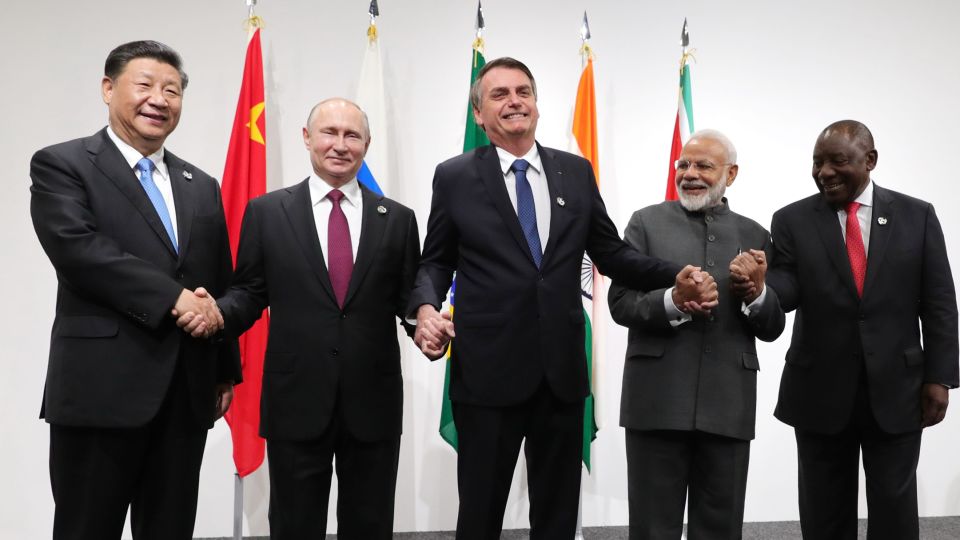
This meeting, however, is especially vital for a whole other reason since three of the five core members of BRICS were present. It is significant for the future of BRICS, a coalition of five states, namely; Brazil, Russia, India, China and South Africa. In the last BRICS summit hosted virtually by China, BRICS members committed to expanding the bloc and being more inclusive. Notably, countries like Iran, Argentina and other African nations signaled interest to join the bloc. At the moment the future of the bloc seems assertive enough to challenge the dominance of the western coalition led by the United States in global politics. BRICS members have wide and ambitious objectives that surmise into restructuring the current global political and economic order. However, the vital task at hand is that the bloc should not morph into a mere anti-western hegemony coalition and according to the stated objectives of BRICS, the alliance is well poised to aim beyond that.

Therefore, the expansion of BRICS should be strategically based on a careful review of a potential member’s profile. Being hostile to western hegemony should never become the only qualifying quality for any potential member. It is a fact that unilateral decisions by USA with the often-expected assistance from her allies have caused havoc and crippled entire regions, from the Middle East, Eentral and Southern America, Eastern Europe to Northern and sub-Saharan Africa.

These unilateral and sometimes short-sighted actions have earned the United States a fair number of aggrieved enemies seeking to settle scores and they might view BRICS as a stepping stone to that goal. However, this fact may render BRICS a home to less-than-ideal candidates that may not have the long-term interests of the bloc in mind. Neutral states like India are a necessary ingredient for the bloc long-term even though they might seem like a risky partner in the coalition. This is due to India’s close partnership with the collective west.  However, the risk that India poses to the bloc does not lie in her close partnership with the west but in her belligerent and rocky relationship with China. And this relationship is an important chapter in the bloc’s evolution story.

Though leaders of China and India have proven their capacity to address grievances of the two by meeting and talking, a lasting solution to issues of each side’s concern is much needed and will boast the cooperation and trust of the two largest members of the BRICS. Once such differences are sorted, which is not an easy task but it is one task that must be accomplished, then the bloc will have skipped a major hurdle that stifles many promising partnerships in their infancy.

BRICS should make as priority the political and social integration of all its members, moving past the limiting economic partnerships if it is to challenge the west in any meaningful manner. It takes one look across the aisle to notice that most countries in the western coalition, share almost similar socio-political and economic values despites being geographically and ethnically diverse. Avoiding the trap of being merely anti-west is important because, some western allies can be lured into joining the bloc if the latter has a recognizable and meaningful positive impact on global politics. A meaningful impact on the world ranges from having a comprehensive global security framework that ensures world peace, an economic system that is balanced and beneficial to all encompassing detailed and practical solutions to protecting the environment and tackling the crisis of climate change.

Many challenges lie ahead for BRICS in different pockets of the world and members of BRICS+ will need institutions both financial and political to guide in the implementation of the bloc’s policy goals and objectives. This must be done with expected resistance form the western coalition and her institutions. Observing current statements and ambitions of BRICS member states, it is quite clear that in the long-run the bloc must create a separate financial system form the current western one and this involves convincing potential members and the rest of the world that the BRICS alternative is much better. New Development Bank (BRICS bank) can help in selling this agenda by offering financial assistance to different sectors than its current focus of infrastructure and energy.

This is where developing countries in Africa, South America and Asia can play an important role. China has already made significant in-roads on the African continent economically, Russia is making in-roads militarily in places like Mali, Sudan, Central African Republic and in other west African countries.

One key recipe missing is media presence to foster people-to people diplomacy and strengthen cultural ties, an area where the west has excelled. The west has managed to endear herself to Africa despite all their past atrocities on the continent during and after colonialism. The west has achieved this by opening up opportunities within western borders for talented and ambitious individuals from the African continent and overtime this number of western educated and influenced Africans has significantly increased.


When it comes to presence of media from BRICS member states on the continent, there is no competition because the west dominates this area. Though gaining, still China’s CGTN is yet to be felt on ground. For Russia’s RT, arguably, very few know it exist. Advanced Television.com found that in 2020, BBC news in Africa increased its reach to 132 million people a week.

BRICS alliance mechanism aims to promote peace, security, development and cooperation and the surest way to this is through adopting new, unique and innovative approaches to developing alliances and solving problems around the world. This to be felt on ground, as a group or individual member countries, BRICS must invest more in media and sell their ideas of their ideal world they aspire to bring.

BRICS still has an open advantage to expand strategically and create a whole different world, it is made up of emerging economies, a trait that gives its founding members relatability to other developing nations. The alliance, accounts for over 3 billion people which is over 40% of the world’s population and just over a quarter of the global GDP. Therefore, on face value, the alliance has immense potential and this potential has to be realized through strategic expansion. Most importantly, this expansion should not be solely fueled by grievances against the collective west but by a genuine concern for global affairs and a resolute desire to challenge and change the status quo.

The Writer is a Research Fellow at Development Watch Centre

Is OHCHR Human Rights Report on China’s Xinjiang Political?

On Wednesday 31st, the Office of the High Commissioner for Human Rights (OHCHR) released a report in which it accused China of violating human rights of minorities in China’s Xinjiang region. The 45-page report, particularly singled out Uyghur Muslims as victims of its so-called “crimes against humanity.”

China rejected the report arguing it was a plot by the United States (US) and some other anti-China forces in the West to spread anti-China sentiments. Wang Wenbin, the Chinese Foreign Ministry spokesperson told press that OHCHR’s report is “totally illegal and invalid,” stressing that “the report is a hodgepodge of misinformation, a political tool used by the West to push its strategy of ‘using Xinjiang to contain China.’”

China has always maintained that there are no rights violation in the region but rather re-education and de-radicalization centres for purposes of countering extremism. Beijing argues that in centres, people are equipped with vocational skills to help them in their daily lives to avert possibility of being lured into committing crimes.

Studies have indicated that on individual level, poverty and terrorism have connections.

President George W. Bush on March 22, 2002, while in Monterrey, Mexico was very clear on this stressing that, “we fight against poverty because hope is an answer to terror.”

Also, commenting on September 11th terror attack, then Senator Barack Obama in a Sept. 19, 2001 issue of the Hyde Park Herald, emphasised connection between poverty and terrorism. Describing terrorism as “tragedy,” Obama explained “most often, though, it grows out of a climate of poverty and ignorance, helplessness and despair. … [W]e will have to devote far more attention to the monumental task of raising the hopes and prospects of embittered children across the globe…,” wrote Obama.

As a president, in his may 2012 address in which he outlined counterterrorism efforts, Obama again showed coloration between poverty and terrorism. “Foreign assistance cannot be viewed as charity.  It is fundamental to our national security and it’s fundamental to any sensible long-term strategy to battle extremism,” Obama argued. He stressed that such aid, would create “reservoirs of goodwill that marginalize extremists.”

This view is also backed by three prominent German economists at University of Freiburg. Sarah Brockhoff, Tim Krieger and Daniel Meierrieks in their country-level analysis paper “Ties that do not Bind (Directly): The Education-Terrorism Nexus Revisited” found evidence that “education may fuel terrorist activity in the presence of poor political and socio-economic conditions, whereas better education in combination with favorable conditions decreases terrorism.”

With that mind, China’s side that the now closed centres were not for rights violations as China’s critics claim but rather re-education centres meant to help in countering terrorism by equipping people in Xinjiang with necessary skills for successful lives holds.

While the report criticises China for alleged violations of minorities’ human rights, this arguably contradicts words of OHCHR commissioner Michelle Bachelet who shortly after her official visit to Xinjiang region, addressed the media on May 28 2022 and acknowledged that “Violent acts of extremism have a terrible, serious impact on the lives of victims, including those tasked to protect the community.”

Bachelet also praised China’s “Poverty alleviation and the eradication of extreme poverty, 10 years ahead of its target date, are tremendous achievements of China. The introduction of universal health care and almost universal unemployment insurance scheme go a long way in ensuring protection of the right to health and broader social and economic rights.” It is therefore strange that the country Bachelet acknowledged to be making progress in upholding human rights less than 4 months ago is the same country she is accusing.

This way, one cannot ignore China’s concerns that OHCHR report is a political tool used by the West to push its strategy of ‘using Xinjiang to contain China’.

Chinese government statistics indicate that Xinjiang has registered steady development socially and economically. Aware that this has been largely achieved through re-education centres, it is not far-fetched to connect OHCHR Xinjiang report to political games in some western capitals.

Indeed, before OHCHR released its report, more than 60 countries and close to 100 non-governmental organizations sent a joint letter to the office of the OHCHR explaining they were opposed to its release giving reasons among others that OHCHR office was being politicized.

China’s 2020 national census revealed that Xinjiang’s Uygur Autonomous population has been steadily rising in the past seven decades with the region’s population standing at 25.85 million. Of this, ethnic minorities’ population is 14.9 million while the Han ethnic group population was 10.9 million.

In health sector, the people of Xinjiang continue to enjoy long life expectancy. For example, in 2019, life expectancy in Xinjiang jumped from 7.3 years recorded in 2000 to 74.7.

Also, infant mortality rate or the mortality of children bellow five years reduced. Maternal mortality rate reduced from 55.5 per 1,000, 65.4 per 1,000, and 161.4 per 100,000 in 2000 to 6.75 per 1,000, 10.91 per 1,000, and 17.89 per 100,000 in 2020.

In education, the number of those attaining education in Xinjiang region is above that of national. Going by 2020 national census, the average of schooling for persons of 15 and above grew from 9.27 years reported in 2010 to 10.11 years in 2020. This is higher than national average figures which stood at 9.91.

If we compare this with 2010 figures, the number of people with university education rose from 10,613 to 16,536 per 100,000 persons. Those with high school education rose from 11,669 to 13,208.

Within the ethnic Uygur population, figure of people attaining education are also encouraging.  The 2020 national census figures indicated, 8,944 per 100,000 Uygurs had received a university education. This is an increase of 6,540 from the year 2000. The average years in education for those aged 15 and above also grew from 7.06 to 9.19.

With such facts, it really becomes difficulty to simply ignore China’s rejection of OHCHR Xinjiang report branding it political. Sadly, such circumstances leave OHCHR with less trust from international community.

To bring back its trust in the international community, the OHCHR should also investigate and publish reports on claims of arbitrary arrests in foreign prions like Guantanamo Bay where it is alleged that the US holds suspects in dehumanizing conditions. Also, reports raised by Wikileaks founder Julian Assange in which he accused the US and allies of committing crimes against humanity should be investigated and reports made public. OHCHR should also actively call for unconditional release of Assange who the US is accusing of revealing their secrets which many human rights activists say is US’ retaliation against Assange who exposed US’ alleged crimes against humanity.

Allawi Ssemanda is a senior research Fellow at Sino-Uganda Research Centre.