SQUEEZE OR SYMBIOSIS? WEST’S BAD BET ON CHINA-AFRICA RELATIONS

By Steven Akabwayi

During my high school years, music wasn’t just an entertainment to me ,it was the air I breathed, I had a taste for different music genres but more remarkably, I held Bob Marley’s Reggae  and Pharrell William’s RnB so dearly.

Bob and Pharell’s hits were not just a mere sound to me but a gateway to my discovery and a  map to the world, one of the music lyrics that got ingrained in my mind were from Pharrell Williams an American award-winning singer,  songwriter, and producer with his hit song titled” get lucky” .

It appears to me China and Africa are dancing to my favorite song’s rhythm  “Get Lucky” given their current state relations commonly referred to as “win-win relations”.

In his “Get Lucky” song Pharrell sings “We have come so far, to give up who we are so let’s raise the bar and our cups to the sky”.

Indeed China and Africa have come so far to give up their relations and like the song lyrics further go, I feel like this is the time for the two of them to raise their bar and cups to the skies given their significant achievements through the reciprocated relations they have had.

The two civilizations ( China and Africa)  have a long-standing history that cannot be easily undermined despite the attempts by external forces.  contrary to what many assume that China and Africa relations date only a few decades ago, there is supporting evidence that suggests contact between the two dates back to 202 BC to 220AD Han dynasty.

During the Han dynasty, this was the period when trade flourished between China and Africa along the Silk Road through the exchange of Chinese ceramics, textiles, and spices among others with Africa offering ivory, rhinoceros horn, and precious metals. This trade continued to flourish even in the era when China got caught up in its internal conflicts whereas  Africa was limited by its internal political landscape.

Despite this upheaval, the interaction between the two civilizations was being conducted indirectly through Arabs and Indians that mostly resided at the coastal towns of East Africa.

In the 20th century as President Museveni often reminds the “the Bazzukulu” the acronym for the young generation, China actively supported Africa’s struggle for independence strengthening their ties against Western imperialism which explains their inherent unity against Western imperialists.

This also signifies that the relations between the two are highly solidified and hard to undermine, this can be observed r through the mutual support China and Africa have ascribed to each other, especially on a global stage such as the UN.

It should be noted that Chinese ascendancy to the UN was due to Africa’s backup and the two have cooperated on peacekeeping missions and initiatives aimed at promoting stability and security on the continent.

One of the arguments fronted by the Western scholars which I consider unfounded is that China is self-centered and inconsiderate citing that China wins all major contracts in Africa Outcompeting African domestic engineering firms. In  my counterargument I always remind them that “ as the West is sending troops in Africa, China is sending engineers”.

Among the major reasons Chinese engineering firms are awarded contracts in Africa is due to China’s long history of civilisation and the top-notch expert evidenced in building long-lasting infrastructure such as the Great Wall of China built from 3rd BC to 17th century AD, Canton Tower 604 m tall multipurpose tower in Guangzhou province, Macau bridge among others.

On the other hand, Africa has a vast infrastructure deficit requiring extensive construction Chinese companies come in to fill the gap with low-cost alternatives to European companies and higher quality work than most African-owned companies.

While speaking at the Sino-Uganda cooperation symposium themed “The Harmony of Civilization and Responsibilities for a Better World”,  Timothy Kersewell a professor at the Chinese University of Hong Kong Shenzhen referred to the recent sanctions by the Biden administration on Uganda as abnormal further questioning the western regard of what  constitute a sovereign state.

Much as I sympathise with every marginalised individual or group in whichever part of the world he or she inhabits, I also strongly agree with Professor Timothy as it has always left me with so many questions answered on the procedures and mechanisms the US follows when it decides to play the sanction card.

Theoretically, the West regards itself as a custodian of international law yet these unlawful sanctions undermine its credibility in that regard.

International law upholds the principle of sovereignty without any classification of teacher-student kind of relationship which hegemonic countries want to impose when they interfere in other sovereign country’s internal affairs.

Over time US has been using sanctions as a tool Of punishment with whoever violates their ideals although the effectiveness of the sanctions towards achieving their intended goals can be debated.

Steven Akabwayi is a Research fellow at Sino-Uganda research centre.

Navigating the Trade Imbalance: Increased Cooperation with China Benefits Uganda and Africa

By Shemei Ndawula

Recently, the European Union(EU) Parliament issued a formal complaint against the Chinese People’s Republic regarding its trade deficit with China. This complaint has sparked global debate about the nature and impact of China’s economic engagement with the world especially with  developing nations. While the EU’s concerns are not without merit, in the new multipolar world, the continental body seems to often fallen short of the economic flexibility that previously made it an economic powerhouse.

In this Uganda presents a contrasting perspective; a nation often lauded as the most entrepreneurial in the world,  the potential of China’s unique approach to development in bridging Africa’s infrastructure gap and fostering inclusive economic growth could be the defining factor for our nation’s economic prosperity for the coming decades.

Trade Deficit: A Stepping Stone, Not a Stumbling Block

Uganda’s trade deficit with China is undeniable, with imports significantly exceeding exports. However, unlike the European Union, Uganda’s situation presents a unique opportunity where we can leverage China’s infrastructure development focus to accelerate our  own economic progress.

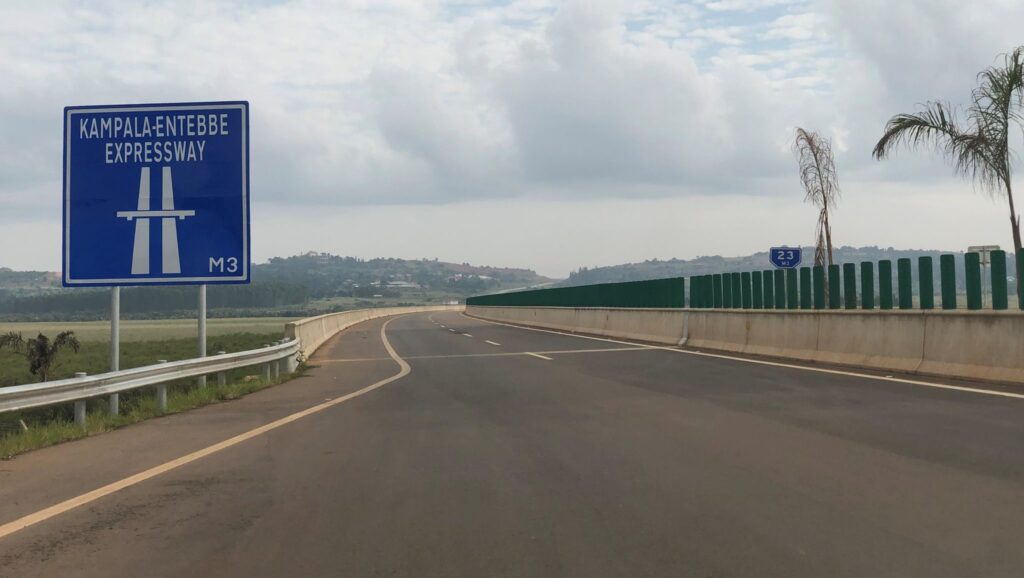
The Eurocentric model of development aid, often plagued by bureaucratic hurdles and limited tangible outcomes has proven largely ineffective in addressing Africa’s critical needs. In contrast, China’s investment in infrastructure projects like the Kampala-Entebbe Expressway and the Karuma Hydropower Plant directly improve Uganda’s transportation network, energy security, and overall economic activity. These investments create skilled jobs, stimulate local businesses, and lay the foundation for long-term economic growth.

To maximize the benefits of our relationship with China while minimizing the trade deficit, Uganda should adopt a multi-pronged approach by making strategic investments especially in these key areas;

We should further explore our economic diversification by moving beyond the current dependence on exporting raw agricultural commodities and minerals. This can involve processing agricultural goods locally, focusing on value-added products, and exploring latent potential in sectors like tourism in which we are abundantly gifted. With China’s success at poverty alleviation, it provides a potential tourism market of more than a billion people.

Additionally, we should comprehensively develop our national industrial capacity. China owes it’s rise to prowess in manufacturing and industrial development. This prowess through technology sharing can be leveraged to build Uganda’s own industrial capacity.Attracting Chinese companies to establish production facilities in Uganda can also create jobs, facilitate knowledge transfer,and reduce reliance on imported goods.

We will also need to strengthen trade facilitation which is the backbone of bilateral trade.The custom procedural process in the country needs to be streamlined with our foreign embassies and ambassadors. There’s hundreds of Ugandan importers in China facilitating the export of tons of Chinese made goods to the continent every day. The reason this is not two way traffic is because of the bureaucratic and expensive export process within the country. We will certainly need to streamline the export process if we ever hope for our goods to reach the Chinese markets.

The win-win approach which defines China’s foreign policy methods has already seen several Chinese companies setup shop in Uganda an outstanding example being the Chinese industrial hubs in Kapeeka and Mbale catalysing joint ventures between Ugandan and Chinese businesses can unlock new opportunities for both sides. Sharing expertise, resources, and market access would lead to innovative products, improved services, and increased trade flows.

A Balanced Approach: The Key to Success 

While Uganda and other African nations must capitalize on the benefits of their relationships with China, adopting a balanced approach is crucial. Diversifying partnerships beyond China, ensuring fair and transparent trade practices, and promoting responsible investment are essential to safeguarding Africa’s long-term economic interests.

The debate surrounding China’s economic engagement with developing nations is complex and multifaceted. While concerns about trade imbalances tend to look at the traditional indicators imports and exports, Uganda’s experience demonstrates the potential of China’s unique approach to development. By strategically leveraging this partnership, Uganda and other African countries can accelerate their economic growth, bridge their infrastructure gap, and create a more prosperous future for their citizens. Ultimately, the key to success lies in a balanced approach that acknowledges both the benefits and challenges of China’s economic presence while ensuring that Africa’s long-term economic interests are protected and advanced.

Shemei Ndawula is a Research Fellow at the Development Watch Centre.


China-Uganda’s Win-Win Cooperation is Bearing Fruits

By Akech Sarah Elias

In international relations and foreign policy, diplomacy is considered to be a major catalyst for good relations of countries and a step-in introduction and implementation of social-economic development projects of a country. Like in human beings, good cooperation and relations among countries which is always characterized by effective diplomacy, international relations and foreign policy aid in promoting development of countries; because, in most cases, it is diplomacy that influence countries where to invest or which country to cooperate with. In that process, a country with good relations with neighbors and beyond is most likely to attract investments and developmental cooperation from such countries as opposed to those without or with shaky relations. Also, diplomacy and good relations of countries especially among neighbors and arguably beyond are key when it comes to promotion of stability which is very key in economic development.

Talking about foreign policy and diplomacy, whereas it is true that foreign policy is a guiding framework for national interests, and that it facilitates countries in determining their goals, values and national interests which results into formation of alliances and treaties, formed alliances and treaties at times are meant to strengthen one country against the other or indirectly promote hegemony. This explains why some countries especially from the west often impose conditions for their relations with other countries acting as superior other than equal partners as United Nations charter dictates that all independent countries are equal!

However, when it comes to China-Uganda relations and broadly, China-Africa cooperation, the two sides cooperation are a text book example of partnership of equals and win-win cooperation. For several decades, China has always based its relations with African countries guided by principles of sincerity, real results, win-win cooperation, amity and good faith while dealing with African countries! It is these principles today, that guide Sino-Uganda relations and in many ways, both sides are benefiting from this this brotherly cooperation.

In economic engagement, China’s engagement with Uganda has been characterized by substantial investments and collaborative projects. A 2021 report by the UN Conference on Trade and Development revealed that China had become one of Uganda’s largest trading partners and a major source of foreign direct investment.

Further, a 2019 report by the famous Brookings Institution, observed that China has also been actively involved in infrastructural development in Uganda with the main focus on transportation oil and energy and the report argued that such investments are key for Uganda’s social-economic development explaining that China is doubling down investments in Uganda and generally African countries key sectors at a time when fewer funders are willing to support infrastructure projects. One prominent example is the Kampala-Entebbe Express highway which was constructed with the help of Chinese funding. This project has enhanced connectivity, reduced transportation costs, and boosted trade within the country registering thousands of users daily.

China’s economic engagement with Uganda has been boosted by bilateral trade and investment agreements and treaties. A case in point follows the signing of the Free Trade Agreement in 2018 by the two nations which have fostered trade expansion. With China granting up to 98% of Uganda’s taxable items zero-tariff into their market, one can safely argue that trade between the two countries will grow further with Uganda’s agriculture sector benefiting more.

Still on economic benefit of a flourishing Sino-Uganda relations, the May 2021 China-Uganda Authorized Economic Operator (AEO) which came into force on 1st June 2023 will see the two friendly countries enjoy preferential policies in terms of document review and goods inspection. This will definitely facilitate the customs clearances of goods between the two countries thereby facilitating trade and by extension easing the work of Uganda Revenue Authority.

With AEO, Uganda will benefit from this arrangement in terms of streamlining trade finance and

revenue collection which is aligned to China’s Revenue collection practices and enhancement of

trade framework. If critically analyzed, the main informing aspect for Uganda to enter this mutual arrangement was on a basis of China’s stand on the global floor of trade. The arrangement was also meant to further the corporation between Uganda and China on the basis of the Forum on China-Africa Cooperation (FOCAC). This way, Preferential treatment will be accorded to the goods coming from China to Uganda and vice versa thereby strengthening trade between the two countries.

As a result of the good relations between the two countries and enabling environment, as of 2022, China’s direct investments in Uganda reached 131 billion US dollars. And, since the start of this year, Chinese enterprises in different fields such as food processing, mobile home appliances and textile industries have entered into Liao Shen Industrial Park and China-Uganda Mbale industrial parks injecting over 84 million USD in Uganda’s economy. Also, over 2200 jobs for locals have been created as a result of the said investments.

In conclusion, as a result of China-Uganda relations, the benefits coming from the said relations have been key in Uganda’s economic development process and hence. Therefore, despite some challenges and criticism especially from Sino-Africa skepticists, China’s significant role towards Uganda’s economic development cannot be ignored and the two sides as the two countries embark on building a community of shared future and prosperity in the new era.

Akech Sarah Elias is a junior researcher at Sino-Uganda Research Centre and a law student.


Huawei’s Global Partnerships can be Replicated in Uganda

By Ernest Jovan Talwana

On, 21st November, 2023, Huawei Technologies held its Huawei Sustainability Forum in which they showcased their global developments over the past two years as well their future developments and partnerships. This event marked an inflection point as it showcased the growing influence of Huawei in sustainable growth and development in the fields of healthcare, tourism, education, sustainable infrastructure and 5G coverage in the promotion of the development of the aforementioned sectors.

This is not the first time Huawei technologies is extending and sharing their technology experience with the world. In November 2022, the company signed a global international telecommunication union agreement to provide technological services to rural areas in 80 countries covering 120 million people.

South Africa and Nigeria are one of the major beneficiaries of this agreement which aims to provide internet connectivity to rural areas in an effort to fast-track health service provision and education via Huawei’s networks. This is part of Huawei’s agenda to promote digital integration and sustainable development as well as cultivating digital talent and enabling economies sophisticate in line with the desire to meet Sustainable Development Goals (SDGs) and expand the middle class in various economies through digital inclusion.

This provides a ripe opportunity for Uganda to harness such digital technology and AI to promote innovation and sustainable development through digital inclusion by partaking in digitization to sophisticate her young population in a rapidly industrializing world that needs a highly trained working class who can meet the demands of today. Equally, with Huawei’s technology innovations, health care diagnostics can be availed in real time which can sharply reduce the infant mortality rate as well as fast tracking problem solving within shorter time frames. It should be acknowledged that Uganda and China have strong bilateral relations. Uganda cannot afford to be left behind in the digital revolution. This means that we should leverage our relationships to aide our growth and interaction with the wider world for the benefit of a younger, thirsty population who are eager to utilize the opportunities that are out there.

Digital technology can also rapidly boost productivity and efficiency. Huawei can aide this through partnerships which can rapidly increase our output. Huawei aims to promote digital inclusion through education which can increase the skillset of the youth in vulnerable and remote societies. In 2020, Huawei and UNICEF promoted Education for all in Ethiopia, Ethiopia and Ghana which aims to increase the skillset of students and teachers in remote areas. Huawei equally set up solar projects in these countries which aims to maintain connectivity in hard to reach areas. This helps to better serve humanity and maintain consistent supply of the internet for digital inclusion and education.

In the Yucatan Peninsula, Huawei uses technology to protect diversity and track rare species using AI and digital technology that carries out 24/7 tracking. This aims to protect such endangered species as well replicating such innovation in other countries to promote conservation efforts.

Huawei seeks to use her technology to promote “tech for good” to promote sustainable development across the globe.

A case study of Huawei’s work is in Heshun Town, Yunnan Province, China.  Huawei has managed to digitize the tourism, education and healthcare experience by providing consistent Wi-Fi network and charging stations which keeps the whole are connected to the internet. As announced during Huawei’s Sustainability Forum, 2023. It should be noted that all of this is achieved in harmony in nature by avoidance of harming the environment and promotion of eco-tourism and sustainable technology use by promoting smart travel and using transportation that does not increase the carbon footprint.

It should be noted that Uganda is seeking to promote sustainability through the Climate Change Act and reduce liability on imported electric vehicles.  Huawei is at the forefront of promoting rural development through smart infrastructure that has a limited impact on the environment. As stated in their 2023 Sustainability Forum. This can be reflected in Uganda where we seek to modernize without harming our flora and fauna.

Equally, companies like Huawei can increase our broadband services by widening our technological infrastructure so that internet reach in rural areas is as competent as that in urban areas. Or, in our instance, 5G infrastructure in regional cities is as competent as that in the capital, Kampala.

Huawei is equally at the forefront of technology that promotes the study of diversity. Huawei has partnered with the World Wildlife Fund in Italy to study rare species and foster research and education. This has been fostered through the provision of Huawei cutting edge hardware which makes research work seamless. As stated during the Huawei 2023 Sustainability Forum. This can equally be replicated in Uganda through partnerships with Huawei and the Ministry of Tourism, Wildlife and Antiquities and her subsidiary agencies like Uganda Wildlife Authority, and Uganda Wildlife Education Centre (UWEC) to study biodiversity and wildlife unique to Uganda.

Another case study of Huawei partnering in healthcare is through its partnerships in Pakistan (as stated during the Huawei Sustainability Forum, 2023) to promote digitalization in remote areas to fast-track diagnostics and providing storage for patient records and system information which aims to promote efficiency in health care provision as well as providing a database which can act as an inventory for medical records that are otherwise degradable in hard copy format.

It is should also be acknowledged that paper waste has a large harmful effect on the environment. This is because the process of creating paper demands cutting down of trees as a raw material for this paper. Digital storage therefore helps to reduce such storage by providing digital copies which help mitigate this waste.

In conclusion, Huawei Technologies’ recent forum provides an opportunity for African governments and Uganda in particular to partner with the tech firm to leverage the company’s know how to promote the country’s development in line with Vision 2040. However, it should go without saying that private actors can equally take this as an opportunity to court the Chinese tech firm to create partnerships for the benefit of their business as well as increasing their global footprint in line with their goals to promote rural development, interconnectivity and business across the globe.

Ernest Jovan Talwana is a Lawyer and Technology Research Fellow at Sino-Uganda Research Centre.


China-Africa Joint Development: Beyond Slogans

By Moshi Israel

To understand the drive behind the concept of China-Africa joint development, one needs to know exactly what China wants from Africa and what Africa wants from its relationship with China. The cooperation between Africa and China aims to be a symbiotic relationship where benefits are shared fairly and at times equally.

The key objectives for forming alliances and partnerships among nation-states are for security and trade. Through joint development partnership, China and Africa can ensure their respective economic security because the concepts of trade and security within the framework of international partnerships and relationships often intersect. One way they intersect is through the correlation between trade and economic security. Good trade policies and practices can lead to economic security which is at a larger scale is a form of national security. A rich and successful country is secure in many ways. Joint economic partnerships ensure and insure the national security of all involved.

During the China-Africa Leader’s Dialogue in August of this year, in Johannesburg South Africa, President Xi Jinping highlighted the fact that China was steadily marching towards achieving its second centenary goal of becoming a ‘great modern socialist country in all respects that is prosperous, strong, democratic, culturally advanced, harmonious, and beautiful. He reiterated that China was pursuing its rejuvenation on all fronts through a Chinese path to modernization. This is China’s vision for itself and by analyzing this vision, we can deduce exactly what China wants with Africa. In short, China needs a stable, developed, independent, and reliable Africa to conduct business and foster civilizational exchanges for a shared future of prosperity. China can help Africa achieve its development ambitions and Africa can help China realize its ambitions for its people and vision for a world of harmonious coexistence.

China intends to expand the global market and make it diverse and less dependent on the core countries of the Western bloc. China, itself a developing country has decided to look south for developing markets, where it can trade its products and in turn assist the development process of countries in the global south. Through BRICs+, BRI, FOCAC and other initiatives, China has consistently courted Africa and made its intentions clear. Symbolic of the deep ties between China and Africa is the elevation of relations to a Comprehensive Strategic Cooperative Partnership in 2018 during the Beijing FOCAC summit.

For this relationship to work smoothly, Africa needs to know what it wants from China and fortunately, this is increasingly clear as stipulated through Agenda 2063. It is an agenda that seeks to transform the continent into a global powerhouse of the future. Through Agenda 2063, Africa aims to deliver on its objectives for sustainable and inclusive development. The agenda is driven by the Pan-African spirit rooted in the desire for unity, self-determination, freedom, progress, and collective prosperity. Agenda 2063 is an affirmation of pan-Africanism and the African Renaissance.  This pan-African vision was assented to by African leaders through the 50th Anniversary Solemn Declaration during the golden jubilee celebrations of the formation of the OAU/AU in May 2013. The vision imagines an integrated, prosperous, and peaceful Africa, driven by its citizens, representing a dynamic force in the international arena.

Under the current global political climate, Africa and China need each other. President Xi recognizes this with precise clarity and therefore has spearheaded efforts and a renewed drive by China to rejuvenate, reinvigorate, and redefine its relationship with Africa. The result should be a limitless friendship that is much more integrated and equal where both party’s interests are protected through joint efforts.

Proposed areas of collaboration include; working to safeguard a peaceful and secure global environment, building an open and inclusive world economy, and promoting an equitable and just international order. Also, China through the assurances of its president seeks to cooperate with Africa to enhance the synergy of both party’s development strategies, support Africa’s voice in the international arena, support Africa’s industrialization and Agricultural modernization, and implement a plan on China-Africa talent development.

The joint development of Africa and China will mostly rely on the initiatives proposed by the latter. These initiatives include the GDI, GSI and GCI, (Global Development Initiative, Global Security initiative, and Global Civilization Initiative) all respectively addressing the key problem areas of development deficit, security challenges and a gap in mutual learning between civilizations.

By analysing these initiatives, we can decipher that China’s partnership with Africa is not solely based on economic gains. It goes further and beyond the limitations of realpolitik. China is not focused only on practical considerations when it comes to partnership with Africa, the rationale of cooperation is also rooted in moral and ideological concepts. China and Africa consider themselves family with a bond forged through history. A past of shared suffering under colonialism, imperialism and racism binds Africa and China. The latter’s lessons of wisdom through the ‘miracle’ of unprecedented development can be an inspiration to Africa’s own renaissance.

The African Union has embraced the idea of an integrated continent through the African Continental Free Trade Area (AFCFTA). A more integrated Africa is a powerful one and Beijing supports this process. It is a popular view both in Africa and China that Africa’s own path to modernisation should be an African idea with African characteristics. By pushing its own modernisation path, China indirectly shows Africa the way and it is up to the giant continent to map its own path by learning what is practical from China’s experience.

For so long, the African continent has been underestimated and under looked. Africa has experienced its own centuries of humiliation and has forever struggled to raise its head above water. However, the continent, with the help of China has changed the narrative and is back floating and ready to swim. Africa is projected to have a population of over 2.7 billion people by 2060, well above the combined populations of both India and China. In the same year the continent is projected to have a combined output of $16 trillion and a vibrant middle-class market. China on the other hand is the second largest economy in the world and has a lot of potential to be the world’s leading economy with time.

It is therefore, this potential that makes China-Africa joint development an interesting prospect. Together, a better multilateral world is a reality and a shared future for all humanity is guaranteed.

The Writer is a Senior Research Fellow with Development Watch Center.

THE TRUE CHINA

By Moshi Israel

What is the true China? This is a question that is asked frequently by many, both elites and ordinary citizens from all walks of life all around the world. The China question is an important one since the country has a history spanning millennia and has consistently existed in global discourse, playing an important role throughout the world’s long history. Interest in China is not new and has steadily peaked over time mostly because it is a country that is unique in its characteristics and ideologies, yet very similar to many others in its political, social, cultural, and economic realities.

There is no absolute answer as to what is the true China. However, my answer to this question would be; that the true China is its people. My answer is not a new profound answer to the question, rather it is an observation influenced by personal experience. In a recent collaboration with the China Africa Institute (CAI), the Chinese Academy of Social Sciences (CASS) alongside the University of Chinese Academy of Social Sciences (UCASS), I attended a seminar in Beijing and Guangzhou themed Chinese Modernisation and China –Africa Joint Development. During this seminar, I better understood the significance of President Xi’s brilliant remark that the people are the country, and the country is the people.

China’s national organization is unique and a lot can be learned from it. The country is organized around the careful and strategic planning of its government led by the Communist Party of China (CPC). Despite all the vitriol from certain Western political centers about the CPC and its method of governance, my observation is that the Chinese people love the party and want to be part of it and its agenda. Patriotism is a key trait of Chinese people. The CPC does not demand uncritical loyalty from its members but also does not tolerate traitorous schemes of trying to overthrow the government. The government is the party and the party is the government. This is a system that works for China and has consistently delivered on development in all aspects which has led to an increase in people’s happiness. After all, it is one of the CPC’s and dare I say should be humanity’s principle to ensure the happiness of the people by helping them to realize their ambitions, hopes, and dreams. The CPC created a Chinese dream that is completely different in practice from the American dream. The Chinese dream is rooted in socialism, togetherness, and country above self as opposed to the individualistic American dream rooted in profit at the expense of everything else.

The CAI has done a commendable job in advancing China-Africa relations to greater heights. Its current vice president, Wang Xiao Ming is the embodiment of China’s warm embrace with Africa through mutual respect and focused collaboration. Moreover, through UCASS and CASS, China is also successfully bridging the information gap within the international community by telling China’s story through the lenses of well-educated and highly informed scholars. Seminars like the one described above are a vital magnet in attracting keen and genuine interest in the China question. More effort needs to be placed in such seminars and I confidently predict that within a short time, the narrative on China will have changed dramatically. Western framing of China holds no power or sway among well-informed and educated communities of people.

The warm, welcoming, and curious yet reserved people of China that I interacted with are the true ambassadors of the People’s Republic. The people and their culture make China a beautiful country that is truly a place prepared to lead the world into a new era of prosperity, civilizational diversity, peaceful development, and, true multi-polarity

Of course, not everything or everyone is perfect in China just like everywhere else. However, honest visitors to China will most likely come to a similar conclusion as I did. Unfortunately, a good number of people know nothing about China except for what they see in Western media, unreliable African tabloids, biased pundits, and pseudo-intellectuals with a pre-programmed worldview.

The fact is most of the discourse on China in Africa is dominated by Western ideological lenses and frames. This is driven forward by a propagandized media with a barrage of often skewed facts. The term ‘fake news’ did not gain popularity by mistake. There has been a concerted effort from Western governments to sully the image of China and create an aura of negativity around the country. However, a visit to China can reveal an entirely different truth.

The leadership of the CPC has captured the true meaning of good governance based on the principles of planned development with respect for the environment. The air in Beijing which was once polluted, and painted a bad image of China is now very clean and clear. The greenery in Beijing can be observed from the sky as the city leadership has taken unprecedented steps to clean it up. Also, the government has undertaken a large program to rid the city of harmful exhaust fumes from fuel-powered vehicles. The city has embarked on a bold program to increase the number of electric vehicles on the road and slowly transition from fuel-powered cars. The capital, despite having millions of people, is mostly quiet, clean, and organized. The crime rate in major Chinese cities is relatively low compared to some Western capitals. This is a huge achievement because it shows that the CPC’s way of governance leads to safety for both locals and foreigners.

Furthermore, whereas China is still a developing country, the CPC has taken huge strides to make the lives of Chinese better and much simpler. The transport network or system in China is state-of-the-art and can be compared to a few around the world. The subways are clean and well-maintained, and the transport system is fast and efficient.

Guangzhou is a city that bears hallmarks of China’s embrace of the future. The city is a vibrant spectacle of cultural diversity and inter-civilizational exchanges. In the outskirts is the China-Singapore knowledge city that is also a towering beacon of China’s future which is ambitious, daring, artistic, planned, and a testament to the CPC’s good governance through collaboration with willing partners.

Most people misunderstand China’s strict laws and often overlook the fact that it’s these laws that have made China a vibrant tourist destination and a safe place for all law-abiding foreigners. While in China, it is hard to see an armed officer, yet everyone seems to be orderly. The people have gradually internalized a true rules-based society and are mostly organized.

Finally, I think China-Africa relations are better served with these kinds of educational exchanges involving different groups of people from different sectors of the African economy. Mutual learning eventually leads to mutual understanding, win-win partnerships, and a shared future of prosperity. China has a lot to learn from Africa and the reverse is true. The future of China-Africa joint development is in the capable hands of the CPC and the Chinese people, African leaders, and African people and in organizations such as CAI, CASS, UCASS, Development Watch Center, and many more others. People-to-people diplomacy is the ultimate plug between China and Africa. CASS, CAI, and UCASS through joint efforts have managed to show the true China to many African friends.

The Writer is a Senior Research Fellow at the Development Watch Center

Belt & Road Initiative at 10: International Relations Through the Lens of Economic Development

By Marvin Hannington Kalema

Often times, many people’s answers to a question on the purpose or importance of International Relations in the global scene would be primarily along the lines of maintenance of global peace by fostering mutual respect and goodwill among global states. This despite being somewhat an incomplete answer is not wrong at all upon a perusal of the prime article in the charter of the United Nations (UN), the globally recognized institution charged with the responsibility of fostering and promoting peaceful international relations.

However, article 3 of the abovementioned charter espouses, as one of the aims of the UN, a desire to achieve international co-operation in the solving of global problems of economic, cultural or humanitarian nature. In essence, the article outlines an additional role or purpose played by international relations aside from promoting global peace and that is addressing global economic challenges.

It can be argued that, the founders of the UN believed that countries relating peacefully with one another could easily work together to counter their common challenges, one of the most notorious being poverty and economic inequality among global states. The World Inequality Report as of 2022 portrayed a disparity in that the richest 10% of the global population owns over 76% of global wealth and the poorest half of the global population owns a meagre 2% of the global wealth cake. Staggering revelations at that.

In light of the figures above, it is clear that global states need to participate more in a unified effort of economic development. Some countries like the People’s Republic of China have through projects like the Belt and Road Initiative (BRI) undertaken efforts to give effect to, and realize article 3 of the UN charter. This year, as the initiative celebrates a decade of existence, it is imperative that an assessment of its achievements is briefly established.

The BRI, initiated in 2013 is a development initiative developed by China but belonging to the rest of the world as the white paper on the project released by Beijing’s State Council Information Office opines. It is actually believed to carry on the spirit of dynasty era China where maritime silk routes were developed opening up the East and West to each other under the guidance of Chinese Emperors.

As the maritime silk routes increased trade at the time, the BRI project was also expected and organized to facilitate trade, communication, culture among member countries with the hope of realizing global economic growth.

The BRI is founded on the principles of extensive consultation, joint contribution, and shared benefits. It advocates win-win cooperation in pursuit of the greater good and shared interests. It emphasizes that all countries are equal participants, contributors and beneficiaries, and encourages economic integration, interconnected development, and the sharing of achievements.

The principle of extensive consultation implies that countries from across the economic development scale (low, high, middle) could all get an opportunity to participate in economization of the global community through bilateral or multilateral communication forums where all ideas of economic development are to be raised, debated upon and implemented where viable.

The principle of shared benefits underscores the importance of win-win cooperation. It aims to identify common interests and grounds for cooperation, meet the development needs of all parties, and address the real concerns of the people. This principle emphasizes sharing development opportunities and outcomes among all participating countries, ensuring that none of them is left behind.

As of today, the initiative comprised of more than 150 participant member countries from a number of global regions including Latin America, Caribbean, Sub-Saharan Africa (Uganda joining in 2018), Middle and Eastern Africa and with over 30 in Europe.

Beijing maintains that in pursuit of global economic development, the BRI theoretically operates through a triad of concepts namely the open, green, and clean co-operation concepts in that the openness refers to the initiative welcoming any global states interested in joint efforts to eradicate common problems, the green concept opining that development projects under the BRI are designed with a respect of the nature and environment through prioritizing low-carbon emitting development projects the clean co-operation concept outlining non-toleration of corruption from any member in respect of the project.

In a brief analysis of the achievements, the BRI prioritizes infrastructure development with a view to establish routes that connect members states as this is believed to facilitate trade, transportation thus boosting member state economies. In Africa, railways such as the Mombasa-Nairobi Railway and the Addis Ababa-Djibouti Railway are now operational and have become important drivers of in-depth development not only in East Africa but across the entire continent.

The Mombasa-Nairobi railway, the nation’s largest infrastructure project since Independence is as of 2023 reported to have transported a total of 28 million tonnes of goods since its opening in 2017, reportedly contributing a 2% growth to Kenya’s economy.

In Uganda, the country has successfully completed Entebbe Express which is under BRI projects. Other undertaken under BRI include the 99.8% complete Karuma Hydropower project and the nearly complete Entebbe international airport expansion.

In Western Africa, Nigeria’s maritime sector has also benefited from the BRI project due to the completed Lekki Deep-sea port that has since become a major and modern deep-water port not only for Nigeria but Central Africa as well.

Furthermore, trade between BRI member states is steadily on the rise in that between 2013-2022 the annual growth rate of such trade is recorded at 6.4% with the total value of exports and exports between China and other BRI for that period standing at 19.1 trillion.

Notable in this period is also the fact that the BRI project has facilitated educational co-operation among members states. For instance, China has opened over 300 Confucius Institutes in 132 member states, in addition to the Chinese Government Scholarship scheme through which over 200 Masters and Doctoral students from BRI partner states have been educated in the peaceful use of nuclear energy through the Atomic Energy Scholarship of China.

In conclusion, the BRI project despite repeated criticisms from majorly western powers as a new form of debt-trap for developing economies continues to be one of the most viable avenues through which intentional and systematic global economic development may be achieved and also prove that aside from maintaining global peace, solid international relations between global states can be a tool through which the common problem of economic inequality is addressed. At the turn of the project’s decade, the burden falls on Beijing to ensure continued mutual respect, communication and transparency among members states if the true goals and aims of the initiative are to be realized

Marvin Hannington Kalema is a Senior Research Fellow at the Development Watch Centre and a Law Student at University of Johannesburg, South Africa.


An African Perspective on the CPC’s Concept of Whole Process People’s Democracy

By Moshi Israel

The Communist Party of China (CPC) has served the people of China for several decades with utmost effectiveness that should be admired everywhere. The success of the CPC is not a mere fluke, considering the complexity of China’s history and national realities. China with more than a millennium of history has had to endure civil wars and power struggles from different dynasties that exposed the common people to untold suffering. The opium wars and Western colonialism also left the once-great civilization of China on the brink of collapse. The CPC pulled China from the jaws of destruction and put the country on a path to unprecedented prosperity and success.

The People’s Republic of China is a vast country with a huge population and a diversity of cultures and ethnicities. To govern such a country, a certain political acumen and tact is required and the CPC under the leadership of President Xi has proved itself a very capable candidate to map China’s development well into the future.

President Xi introduced the concept of whole process people’s democracy back in 2012 and elaborated it as true democracy that addresses the people’s concerns and is characterised by the people’s participation in all state’s social, cultural, and economic affairs. This type of democracy is ‘whole process’ because the people engage in democratic elections, consultations, management, decision-making, and oversight in accordance with the constitution. On the other hand, it is the people’s democracy because China’s constitution labels the people as masters of the country.

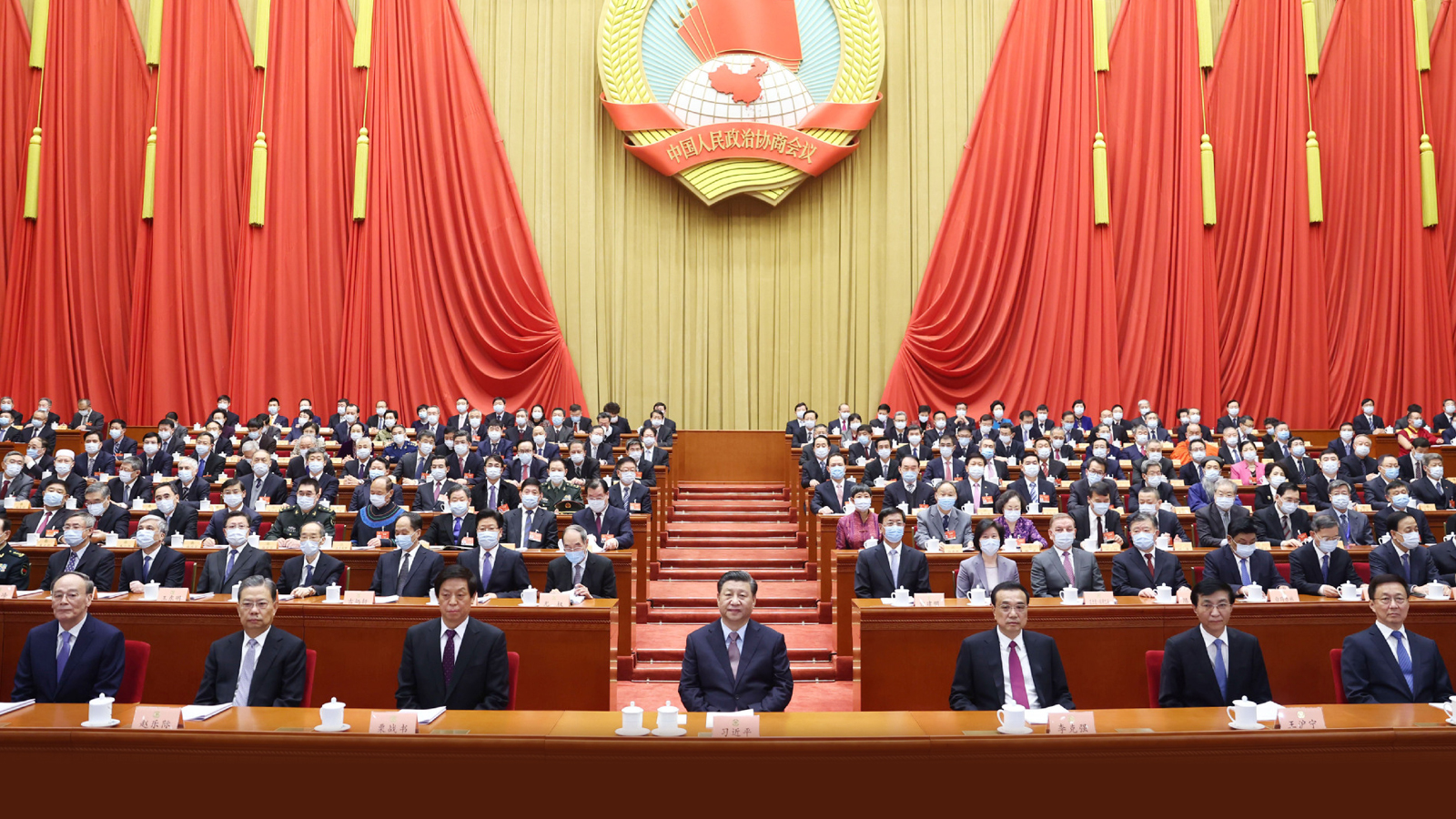
The National People’s Congress (NPC) and the National Committee of the Chinese People’s Political Consultative Conference (CPPCC) work closely with and hold two sessions in which they deliberate on the governance of the state with the people’s interests in consideration. These national bodies collaborate closely with elected grassroots officials to address issues of concern for every citizen. These grassroots committees run from the village, town, and city to the provincial level. Through them, the common person’s concerns are able to reach the highest level of the Chinese government. Moreover, the CPC despite being the dominant party of choice for most Chinese people, still works closely with a number of other political parties in China.

China has demonstrated that whereas every country should aspire to be democratic, the concept of democracy varies from one country to the next depending on their national context. Not every country is suited to the Western style of democracy. Aspects of culture, geography, history, demographics, and economics play a vital role in determining what sort of democracy a country will be. Centuries of the forced and failed Western way of democracy across the world indicate that perhaps everyone cannot be the same and being different is okay. From ancient Greece; the bedrock of democracy to Britain and the United States, democracy has come in different forms for all of these countries.

China, under the CPC, has clearly shown that democracy is not a mere jargon to be thrown around aimlessly, rather, democracy should be practiced and its results seen. China has achieved this by elevating over half of a billion people out of absolute poverty and putting China on a modernization path so effective, it has been dubbed a ‘miracle.’ Furthermore, China’s concept of democracy extends across two fronts; the domestic and the international arenas. Domestically, China has grown exponentially. On the international stage, China has spread the gospel of whole process people’s democracy with a unique Chinese socialism.

China, unlike the West, believes in and practices the concepts of mutual benefit, shared prosperity, and win-win partnerships with its international partners. Through the Belt and Road Initiative, the country has established good relations with others across the world.

African countries, as beneficiaries of China’s growth through the latter’s application of its democratic concepts on the international stage, should proactively seek to develop their own people-centered and development-oriented democratic structures. This should be based on each country’s national realities. Besides, China has always learned from other developed countries and altered these lessons to fit its national context.

Otherwise, the CPC with President Xi Jinping at the helm has produced amazing results by strategically choosing to put the development of Chinese people at the forefront. Rightly so, democracy should indeed be structured around people’s happiness. Elections and a thousand political parties do not mean much if the people are starving and underdeveloped.

Therefore, every Ugandan and every African should be asking their leaders, what sort of democracy they think they are engaging in if the people’s happiness is not a core priority. With China, we can see that political theory should be backed by strategic and patriotic practices centered on common prosperity and the right to development.

The Writer is a Senior Research Fellow at Development Watch Center.


Applause to China; They Are Truly Africa’s Key Ally on Mitigating Climate

By Steven Akabwayi

On 4th-6th September this year, the  Kenyan government with AU co-hosted the inaugural Africa climate summit in Nairobi. The three-day summit brought together leaders and investors from Africa and beyond to share experiences and solutions for a  sustainable, resilient Africa.

The event focused on Adaptation and resilience, renewable energy, sustainable development, and financing for climate action.

China’s efforts towards clean energy and sustainable development in Africa have not been sufficiently covered by most Western mainstream media who aim at cherry-picked stories and character assassination.

This is done to influence the masses into a coherent narrative of China being a bad character in regard to climate issues on the African continent yet on the actual ground Africa and China are key allies on climate.

China and Africa hold the same view that cooperation and investment in environment-friendly initiatives is a critical part of their practical relations.

Unlike most Western civil groups that dictate what Africa should do, China has collaborated with Africa on developing both adaptation and mitigation plans holding a view that African countries should have legitimate rights to Pursue independent and sustainable development in relative areas.

Despite China being the world’s largest emitter of greenhouse emissions currently producing about 12.7 billion metric tons of emissions annually dwarfing the US which is at 5.9 billion tonnes, the discrepancy in the above figures doesn’t tell the whole story.

China’s high number of greenhouse gas emissions can be attributed to the fact that it is a highly populous country that is still developing with a hunger for heavy industrialization.

Since 1850 China has emitted 284 billion tons of carbon dioxide but the US which industrialized far earlier has raised almost twice as much with 509 billion tons of emissions making it the highest emitter of all time.

Additionally, in terms of per capita emission, China lags behind most developed nations with an average person in China emitting 10.1 tons of carbon annually compared to 17.6 tons of that in the US according to the Rhodium group report.

China has also taken stringent measures to address climate apocalypse not only at home but also overseas. The country stands as the leading global investor in greenfield energy and infrastructure systems across the developing world, the same climate-friendly developments have also been intensified under the Belt and Road Initiative.

Since 2017, there has been a shift in the forces regarding the policy framework of the Belt and Road Initiative in Africa, The initiative which started as a massive infrastructure project, is now focused on green sustainable development.

In 2021, China and 53 African states signed a joint declaration that pointed out that climate change and its negative impacts are an urgent problem facing humanity.

The joint declaration added that that climate change should be tackled by speeding up affordable green and low carbon transition, promoting sustainable development, and jointly fostering a community of life for man and nature.

Another noteworthy point from the China-Africa joint declaration on climate was for both parties to speed up the implementation of South-South trilateral cooperation projects on climate change, and promote the building of low carbon and low greenhouse gas demonstration zones.

China also pledged to support Africa in training professional personnel for climate response and facilitate the delivery of climate technologies and services in Africa.

In terms of renewable capacity, China is the leading producer of solar energy and manufacturer of solar equipment.

In 2022, China’s President Xi Jinping announced that they are targeting to develop 1200 GW of solar and wind energy by 2030.

The China-Africa joint declaration on climate change further reveals that China has launched over 100 clean energy and green development projects under the framework  Forum on China-Africa cooperation, this is to support African countries in better utilizing solar hydropower, wind, and other renewable energy sources.

As one way of improving the energy structure of Africa’s countries, China has upgraded its industrial structure and built smart cities with advanced urban planning and waste management.

Inthe last 45 years in what Is often referred to as China’s economic miracle, China has been able to industrialize, transform villages into smart cities, and lift billions of people out of poverty.

On the other hand, Western countries have continued to preach water as they make wine.

Despite discouraging African governments from investing in the much-required energy that will lift millions out of poverty, Western governments are on the other hand in a rush to secure energy for their citizens.

The world has seen coal mines being opened up in Germany and the UK, new drilling and production in Norway, and funding of undersea pipelines by European governments.

China being the largest developing economy, it’s aware that for any country to develop and lift its citizens out of poverty, it needs not just energy but funding and investing in green energy.

Looking at the declaration of the 8th Ministerial Conference of the Forum on China-Africa Cooperation (FOCAC) held in Senegal’s capital, Dakar, 29-30 November 2021, China committed to work with African countries to ensure the continent tackles climate Change in all ways and more importantly meet their climate change mitigation targets. Indeed, African countries applauded China noting that they “fully leverage the China-Africa Environmental Cooperation Center to advance  policy dialogue, exchanges and cooperation on environmental protection. We  welcome the positive role of the China-African Union Energy Partnership to  increase the share of clean energy and promote sustainable energy development of  both sides.”

In his Congress speech in 2022, China’s President Xi Jinping stated in a report that China must also develop petroleum and natural gas more cleanly and efficiently, explore untapped resources, increase production, and develop systems for new energy sources.

In his keynote address during Africa Energy Week in South Africa, Uganda’s president Yoweri Kaguta Museveni emphasized that Uganda will proceed with its oil and gas developments as the oil commercialization will lift millions of people out of poverty and provide them the luxury to invest in renewable energies.

China’s state-owned company the China National Offshore Oil Company (CNOOC) has been a key partner in designing and investing in the East Africa Crude Oil Pipeline Project (EACOP) with an emphasis on ensuring a lower carbon footprint compared to other gas projects.

Steven Akabwayi is a research fellow at the Sino-Uganda Research Centre

By Musanjufu Benjamin Kavubu

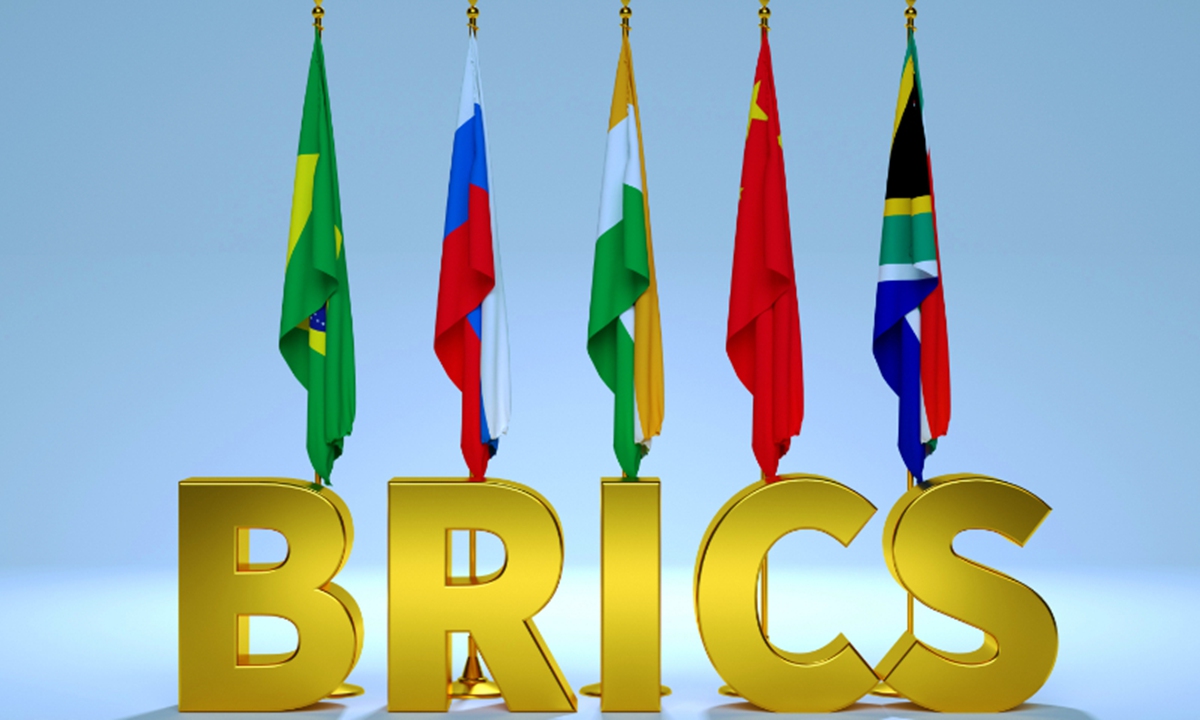
Finally, the 15th annual BRICS summit is happening, and it is taking place on the African continent. There has been a lot of talk about it this time as though it’s happening for the first time but that is because of where the world finds itself at the moment. Ukraine-Russia crisis is impacting everything and the BRICS summit is not unique to the fact after all the “R” in the “BRICS” is at the forefront of what the Kremlin has eloquently blamed on what they call NATO’s eastward expansion spree which threatens Moscow’s national and strategic interests. There is no doubt, this ongoing crisis which the west is fuelling pumping arms into Ukraine has changed public opinion about the current World Order which the BRICS sees as biased to them.

BRICS started in 2001 as BRIC and it got its name from a report by Jim O’Neill who was an economist at Goldman Sachs and he predicted then that Brazil, Russia, India, and China would be the world’s leaders economically by 2050 because of the trajectory the four countries economies where taking. In 2010 South Africa joined to form the current BRICS that the whole world is talking about now which analysts argue it puts the G7 on spot especially that unlike G7, BRICS in all ways stands for the interests of the so-called emerging economies while speaking for entire global south.

Russia’s military operation in Ukraine is not the only reason the 15th BRICS summit is making headlines, but global problems like climate change are key to the agenda and also the over 40 requests from countries to join the formation is keeping the West on its heels.

At the moment, the formation is made up of about a population of 3.2 billion humans that can be also termed a labor force and market, a GDP of $ 24.44 Trillion that seems small compared to the population but an average of $ 7,500 GDP per capita is a dream for many in the global south especially in Africa.

At a time when the world is looking for an alternative to the current world order that is shaped by the US dollar the way BRICS operates seems like the best option going forward.  It’s rumored that Egypt, Algeria, Argentina, and Iran are close to membership then it’s a matter of time before everyone jumps onto the formation. Every developing country would desire this kind of forum that offers consultation and cooperation on significant economic and political issues between member countries and seems to be working.

Through the annual BRICS summit like the 15th South of the African continent, we should expect working groups on areas such as finance, trade, investment, science and technology, and health to set up and they are open to even those countries who are just willing to join. These working groups will then continue to meet as they from time to time identify areas of mutual interest and coordinate their efforts to foster inclusive development a major tenet of the BRICS.

As the formation meets on the African continent BRICS fits the current narrative by African leaders of complete independence from the West’s domination. BRICS members agreed at the start and going forward to strive for inclusive economic growth and to eradicate poverty, to fight unemployment, promote social inclusion, promote innovative economic development based on new technologies like blockchain and develop skills of citizens at the same time strongly cooperating with other countries.

Africa has a chance not to leave anyone behind through the BRICS formation since the ground in the group has proven the antithesis of elitism with its original intention of a restructured political, security, and economic outlook of the world. Africa also has conditions that are in line with the founding members of the BRICS for example fastest growing and emerging economies like Nigeria that is seeking membership, low labor costs that is being brain and muscle drained to Europe, favorable demographics of youths, and natural resources. These conditions need economic cooperation and development through multilateralism to have win-win situations at the end of the day.

To Africa, BRICS through the New Development Bank NDB can offer funding for infrastructure and sustainable development projects as it relives the pressure created by the Bretton Woods systems institutions like the IMF and World Bank that recently decided to stop funding in places like Uganda. For those countries that will go on to attain full membership, BRICS has the Contingent Reserve Arrangement CRA which is a financial safety net that provides liquidity support to members in case of balance of payment difficulties.

As AfCFTA works by boosting intra-African trade from 12% to 30% BRICS through Bilateral and Multilateral areas of trade, investment, technology transfer, Cultural exchange, and matters of security the Free trade Area on the continent can be unstoppable. BRICS along AfCFTA with the free movement of people would bring about people-to-people exchange programs and then foster research and innovation. Cultural exchange, enhance economic and social ties within the formation to create countries that can take on the West. Maybe even the International Criminal Court would be restructured and made to make more sense than being a tool for the West.

Apart from offering hope to Africa and the entire global south BRICS is so important that it offers a workable framework that can be exploited for real and true development that is inclusive. With BRICS bringing Africa on board the world Rebalancing will not be just a song but a reality. As Modi of India, Xi of China, Lula of Brazil, Ramaphosa of South Africa, and Putin is being represented by maybe Lavrov, since he has a war to attend to and just survived a mutiny come together BRICS through the NDB can start the process of de-dollarization in Africa where US designed sanctions are used and hurt most.

By Musanjufu Benjamin Kavubu is a Junior Research Fellow at the Sino-Uganda Research Centre.