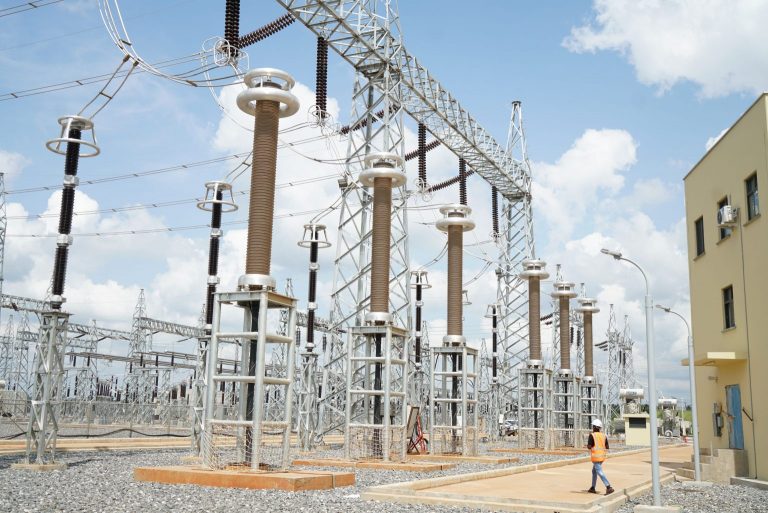
Africa’s biggest challenge, especially Sub-Saharan region, is poor and aging infrastructure.
According to a recent study by McKinsey and Company, unless addressed, infrastructure
deficits in key sectors such as roads and energy will continue to hinder African countries’
economic growth and development especially in Sub-Saharan Africa. The study further
reveals that the region’s attempts to reduce this gap have not yielded largely due to lack of
funding which leaves many planned infrastructure projects stuck at planning stages: “80% of
infrastructure projects fail at the feasibility and business-planning stages,” a phenomenon the
study branded “Africa’s infrastructure paradox,” stressing that despite high demand for
infrastructure funding, there are few partners or investors willing to provided huge amounts
needed for such projects.
Limited funding for important projects at a time when the continent has severely been
impacted by the Covid-19 pandemic, the continent has less options to make an economic
rebound. In 2020, the region’s DGP according to African Development Bank, fell by 3.4%
which is about 7% if compared with pre-pandemic estimates.
To recover from this pandemic induced recess, African countries must include more funds in
infrastructure development for any stimulus plan the continent is thinking of. Sectors such as
roads, energy, and information communications technology must be given priority for they
can stimulate economic performance through supporting creation of jobs, boosting supply
chain and trade. It is only through funding and investing in infrastructure that our much-
hyped Africa Continental Free Trade Area will realise its anticipated goals.
It is important to note that while African countries need to close infrastructure funding gaps,
Official Development Assistance (ODA) and the so-called traditional funders continue to
decline. While this decline may be attributed to budget constraints in Western capitals, we
cannot ignore factors like liberal market ideology that in the end makes livelihood projects a
more likely beneficiary of ODA. This leaves Africa’s much needed infrastructure projects
with little attention. Aware that infrastructure projects require big amounts of money and
there are high risks involved, ODA providers are steadily pulling out their funding while
commercial institutions consider these projects a no-go area given the risks.
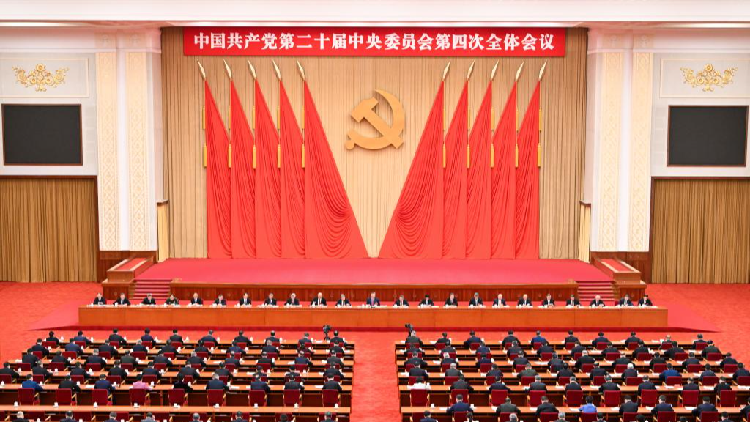
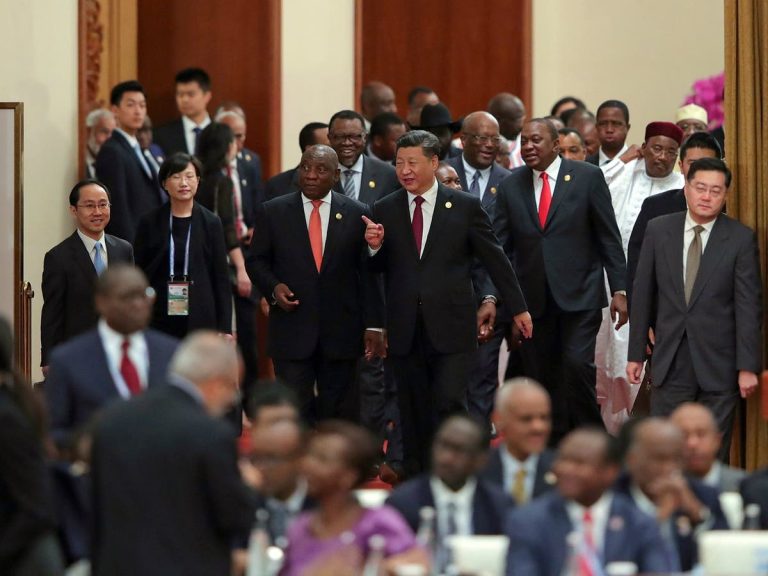
On the other hand, over the last two decades, China has been providing bilateral loans to
almost all African countries to cover their infrastructure funding deficits through commercial
and policy loans. Arguably, such funding is vital in supporting growing of African countries
economies, industrialization and employment opportunities.
Though often criticised by some western capitals branding China’s funding as “debt trap,” it
is very clear that China’s funding goes beyond West’s binary aid model of “government
versus markets” for it has helped reduce funding gaps and revolutionised the concept of
funding developing countries’ projects on basis of mutual benefits and “equal partnerships.”
This is a complete paradigm shift from where funders would dictate on how a receiving
country should use availed loan.
While China seems ready to offer a hand to African countries to improve their infrastructure
sector, some African countries seem swamped in what one may call western media narrative
and opinion. This narrative is mainly pushed for geopolitical reasons or the need, by the west
to maintain their influence over African countries. This eventually drifts the continent into
unfounded old frameworks and colonial motifs. It is the fear of their wanning influence that
drive western pundits to claim, warn and make all sorts of allegations that China has hidden
interests in Africa. The other example is West’s misinterpretation of Beijing’s support to
African as a new ‘Scramble for Africa,’ claiming that Africa is falling victim once more to an
outside global power. Maybe we should ask ourselves, why does the West brand Chinese
development assistance and loans to Africa as “debt trap” and “debt diplomacy” and their
own loans and assistance to Africa is considered ‘good loan(s)?’
Another example that seems illogical is Sino-Africa sceptics’ uncritical branding of China’s
funding and developmental loans to Africa as “debt trap” and “debt diplomacy” which is
arguably meant to undermine Sino-Africa relations and present it in a negative form. Another
intriguing example is U.S.A’s former Assistant Secretary of State for Africa, Tibor Peter
Nagy who on 5 th October 2021 cautioned African countries to be worry about China,
branding Beijing a bully by tweeting: “China's aggressive flying aircraft over Taiwan should
be an alarm for Africa. Country Bullies are more dangerous than people bullies. Beware of
their hegemonistic arrogance. Africa is 21st century's treasure house – and should benefit
Africans.” When critically analysed, one can confidently conclude that Nagy’s tweet was
simply political. While heading African affairs at the State department, President Trump
called African countries “s*t holes” and Nagy did not apologise to Africans neither did he
resign for such disrespect, but is the same person trying to lecture Africans who they should
trust!
While it is important that African countries must not take debts and loans beyond their
capacity, there is nothing wrong with taking loans to support infrastructure development. As
Bent Flyvbjerg, a Danish professor at Harvard University once noted; “Infrastructure is the
great space shrinker, and power, wealth and status increasingly belong to those who know
how to shrink space, or know how to benefit from space being shrunk.”
Therefore, criticizing African countries like Uganda for taking Chinese loans to improve our
infrastructure is unwise and broadly selfish. As J.P Morgan taught us, “a man always has two
reasons for doing anything: A good reason and the real reason.” In Uganda’s case and other
African countries’, seeking infrastructure loans the two reasons are simple – it is to shrink all
our linkages and supporting other factors of production that comes with good infrastructure.
Actually, taking loans has never been bad provided debtor countries are “responsible”
borrowers and meet their obligations of paying back. It is ironical that Countries which have
taken over 60 years to pay their loan which helped them to take off are the ones accusing
African countries of taking developmental loans. For example, it took United Kingdom 61
years to pay its loan $4.34 billion the country borrowed from the U.S and Canada in 1945.
Some analysts argue it is this loan that saved U.K from financial crisis shortly after the
second world war.
In conclusion, African countries should use the opportunity of China’s willingness to offer
financial support to improve their infrastructure for it is one of the sure ways they will unlock
their potential. The good thing is that Beijing has always been kind enough on many
occasions agreeing to do debt restructuring. Also, African countries, Uganda inclusive, can
invest more in infrastructure. The other sure way African countries can ensure payment of
loans is through asset recycling. This enables authorities to reuse capital invested in strategic
and profitable infrastructure assets like fibre optic networks, road tolls, airports and power
plants. Under this arrangement, such assets can be offered to private sector investors under
concession model but ensure private sector does not over exploit citizens using them.
Allawi Ssemanda is a research Fellow with Development Watch Centre, a Foreign Policy
Think Tank.